Where and What to Eat in Istanbul: A Food Guide for Foreign Visitors
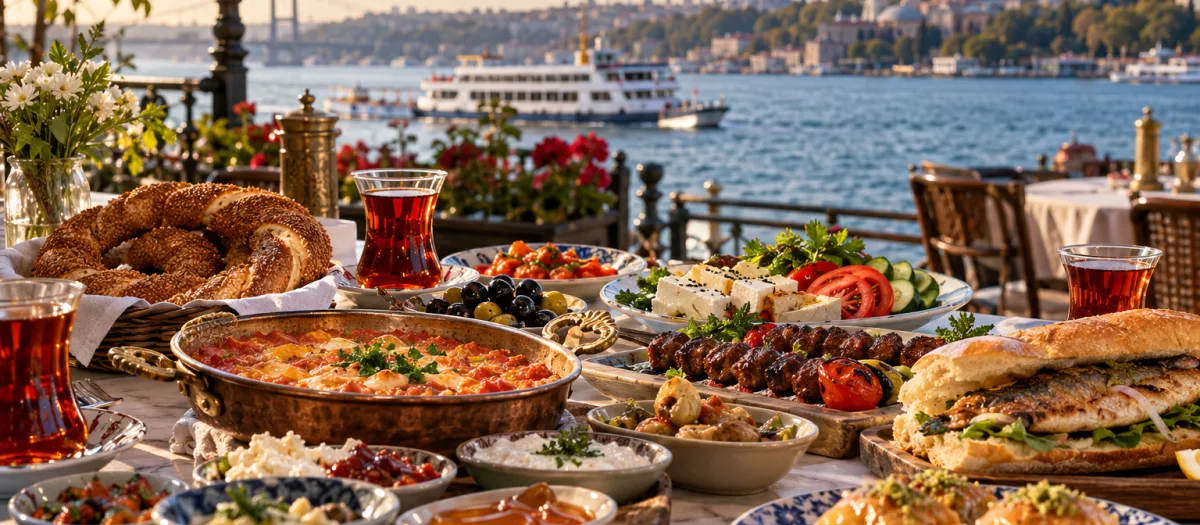
Istanbul is a city you can explore with your eyes, but it is perhaps even better discovered through your appetite. Turkish cuisine in Istanbul is not limited to kebabs, baklava and Turkish delight. The city brings together Ottoman recipes, Black Sea specialties, Balkan influences, Anatolian cooking, seafood from the Bosphorus, traditional bakeries and one of the most exciting street-food cultures in Turkey.
For foreign visitors, the biggest question is often not simply “What should I eat in Istanbul?” but also “Where should I eat it?”
The answer depends very much on the neighborhood. Sultanahmet is convenient for sightseeing, Eminönü is famous for quick local bites, Karaköy combines tradition with modern cafés, Kadıköy is one of the best areas for exploring everyday Istanbul food culture, and the Bosphorus offers a completely different dining atmosphere.
If food is an important part of your trip, you can also explore Istanbul culinary and food tours alongside your independent restaurant discoveries.
Start the Day with a Traditional Turkish Breakfast
Turkish breakfast is not something to rush. A traditional breakfast can include several small plates rather than one large dish.
Expect combinations of cheese, olives, tomatoes, cucumbers, eggs, butter, honey, jam, bread and endless glasses of Turkish tea. Larger breakfast spreads may also include sucuk, börek, kaymak, tahini and different regional specialties.
Where to Have Turkish Breakfast in Istanbul
For a scenic breakfast, the neighborhoods along the Bosphorus are excellent choices. Beşiktaş, Ortaköy, Arnavutköy, Bebek and the Asian-side waterfront neighborhoods offer plenty of breakfast options.
Beşiktaş is particularly popular if you want a lively atmosphere rather than a luxury hotel breakfast.
Kadıköy and Moda are also excellent choices. They generally give visitors a better chance to combine breakfast with a walk through local markets, bakeries and residential streets.
What to Try at Breakfast
Menemen
Menemen is one of the easiest Turkish breakfast dishes for foreign visitors to love. It is prepared with eggs, tomatoes and peppers, usually cooked together in a small pan.
Some versions contain cheese or sucuk.
Eat it with fresh bread and Turkish tea.
Sucuklu Yumurta
Sucuk is a strongly seasoned Turkish sausage. When cooked with eggs, it becomes one of the country's classic breakfast dishes.
It is rich, salty and filling, so you probably will not need a large lunch afterwards.
Simit
Simit is Istanbul's most iconic everyday bakery snack.
It is a circular bread covered with sesame seeds, usually crisp outside and softer inside. You will see it sold at bakeries, kiosks and street carts throughout the city.
For one of the simplest Istanbul breakfasts, buy a fresh simit and drink Turkish tea with it.
Eminönü: Street Food, Markets and Classic Istanbul Flavors
Eminönü is one of the best places to understand how food fits into daily Istanbul life.
The area around the Spice Bazaar, Galata Bridge and ferry terminals is constantly busy with commuters, shoppers, fishermen and visitors.
What to Eat in Eminönü
Balık Ekmek
Balık ekmek literally means “fish bread.”
It is usually grilled fish served inside bread with onion, lettuce and simple seasoning.
Eating balık ekmek near the waterfront has become one of Istanbul's classic visitor experiences. Do not expect fine dining. The appeal is the location, the smell of grilled fish and the constant movement of ferries across the Golden Horn and Bosphorus.
Turşu Suyu
Pickle juice may sound unusual if you have never tried it before, but it has a loyal following in Turkey.
It is salty, sour and usually served alongside fish sandwiches or other street foods.
Turkish Delight and Spices
The Spice Bazaar and the streets surrounding it are good places to discover Turkish delight, dried fruits, nuts, teas and spices.
Try before buying when samples are offered, and remember that shops selling beautifully packaged products directly on the main tourist route may charge more than neighborhood shops.
Kadıköy: One of the Best Areas for Food Lovers
If you want to devote several hours specifically to eating, Kadıköy should be high on your list.
Located on Istanbul's Asian side, Kadıköy combines fishmongers, bakeries, meyhanes, dessert shops, coffeehouses, restaurants and street-food stands within a relatively compact area.
The ferry journey from the European side is also part of the experience.
Travelers who prefer exploring with a local guide can join the Guided Foodie Tour on Istanbul's European and Asian Sides, which combines local tastings, markets and a Bosphorus ferry crossing between the two sides of the city.
What to Eat in Kadıköy
Lahmacun
Often described abroad as “Turkish pizza,” lahmacun is actually quite different.
A thin piece of dough is topped with a finely minced mixture typically containing meat, tomatoes, peppers, onions and herbs before being baked at high heat.
Add parsley and lemon, roll it up and eat it with ayran.
Pide
Pide is another baked Turkish favorite, usually shaped like a long boat.
Popular fillings include minced meat, cheese, sucuk and small pieces of beef.
Mantı
Mantı consists of small Turkish dumplings traditionally served with garlic yogurt, melted butter and spices.
It is associated particularly strongly with Kayseri in Central Anatolia, but good mantı restaurants can be found throughout Istanbul.
Kokoreç
Kokoreç is for more adventurous visitors.
It is made from seasoned lamb intestines, roasted and chopped before being served inside bread.
The flavor is much richer than the description might suggest, and it remains one of Turkey's most recognizable late-night street foods.
Karaköy and Galata: Traditional Food Meets Modern Istanbul
Karaköy has transformed significantly over the years, but food remains an important part of the neighborhood.
Here you can find traditional restaurants, seafood, bakeries, coffee shops, contemporary restaurants and dessert shops within walking distance of Galata Bridge and Galata Tower.
What to Eat Around Karaköy
Börek
Börek is made from thin layers of pastry with fillings such as cheese, minced meat, potato or spinach.
It works well as breakfast, a quick lunch or an afternoon snack.
Look for places that specialize in börek rather than simply ordering it from a large international-style café.
Döner
You can find döner almost everywhere in Istanbul, but quality varies enormously.
Good döner should have properly layered meat, visible roasting and a balance between tender and slightly crisp sections.
It may be served inside bread, wrapped in lavash or plated with rice and vegetables.
Baklava
Baklava is one of the desserts visitors most strongly associate with Turkey.
The classic version combines thin layers of pastry, butter, syrup and pistachios or walnuts.
Freshness matters. Good baklava should have clearly separated, crisp pastry layers rather than feeling heavy and soggy.
Beşiktaş: Casual Eating Like a Local
Beşiktaş is busy, youthful and very easy to explore on foot.
The central market area contains breakfast shops, fish restaurants, döner shops, bakeries, cafés and small restaurants serving affordable Turkish meals.
It is a useful choice if you want local atmosphere without travelling far from the main European-side districts.
Try a Turkish Esnaf Lokantası
One of the best ways to experience ordinary Turkish cooking is to visit an “esnaf lokantası.”
These restaurants typically display a selection of ready-made dishes behind a counter.
You simply point to what you want.
What You May Find
Kuru Fasulye
White beans cooked in tomato-based sauce are one of Turkey's most traditional comfort foods.
They are often eaten with rice and pickles.
Pilav
Turkish rice pilaf may look simple, but it accompanies countless traditional meals.
Some street stalls also specialize entirely in rice served with chicken and chickpeas.
Karnıyarık
Karnıyarık consists of eggplant filled with seasoned minced meat, onions and tomatoes.
It is one of the classic examples of Turkish home-style cooking.
Sultanahmet: What to Eat Near Istanbul's Main Attractions
Sultanahmet is where many first-time visitors spend much of their first day because Hagia Sophia, the Blue Mosque, Basilica Cistern and Topkapı Palace are all nearby.
You can certainly eat well here, but restaurants immediately facing major tourist attractions tend to focus heavily on international visitors.
Walk a few streets away from the busiest squares and you will usually find more interesting options.
Foods Worth Trying in the Old City
Köfte
Turkish meatballs come in many regional styles.
Istanbul-style köfte is usually grilled and served with bread, peppers, tomatoes or piyaz.
Güveç
Güveç refers to dishes slowly cooked in an earthenware pot.
Versions may contain meat, vegetables, chicken or seafood.
Testi-Style Presentations
Some tourist restaurants serve clay-pot dishes dramatically opened at the table. The presentation can be entertaining, but remember that theatrical service does not necessarily mean the dish is traditional to Istanbul.
When planning your sightseeing days, you can compare Istanbul tours and activities with Vigo Tours and arrange meals around your route rather than travelling across the city solely for a restaurant.
Ortaköy: Eat Kumpir by the Bosphorus
Ortaköy is one of Istanbul's classic evening and weekend meeting points.
The square sits beside the Bosphorus with views toward the bridge, making it a good location for combining food with a waterfront walk.
Kumpir
Kumpir is a large baked potato mixed with butter and cheese before being filled with toppings.
The number of possible toppings can be overwhelming: olives, corn, pickles, Russian salad, sausages and various sauces are common.
Ortaköy is particularly famous for it.
It is definitely not Istanbul's most sophisticated dish, but eating kumpir while walking near the Bosphorus is a fun local experience.
Try a Meyhane Dinner
For a completely different evening, visit a traditional meyhane.
A meyhane is built around conversation, shared plates and a slow meal rather than quick service.
What Are Meze?
Meze are small dishes placed in the center of the table for everyone to share.
Common options include:
-
Haydari – thick yogurt with herbs
-
Şakşuka – fried vegetables with tomato sauce
-
Patlıcan salatası – eggplant salad
-
Acılı ezme – spicy tomato and pepper mixture
-
Fava – broad bean purée
-
Deniz börülcesi – samphire salad
-
Stuffed vine leaves
-
Grilled octopus or seafood dishes
After meze, diners may continue with grilled fish or another main course.
For this type of evening, areas around Beyoğlu, Karaköy, Beşiktaş, Kadıköy and the Bosphorus offer numerous choices.
Seafood in Istanbul
A city divided by waterways naturally has a strong relationship with seafood.
Fresh fish availability varies according to season, so asking what is fresh that day is usually better than deciding before you enter the restaurant.
Popular Fish You May See
Lüfer
Bluefish is one of the fish most closely associated with the Bosphorus.
Levrek
Sea bass is widely served and usually a safe choice for visitors unfamiliar with local fish.
Çipura
Sea bream is another common grilled fish in Istanbul restaurants.
Hamsi
Anchovies are especially connected with Black Sea cuisine and become particularly popular during the appropriate season.
Istanbul's Essential Street Foods
You could spend an entire trip exploring Istanbul without entering a formal restaurant.
Midye Dolma
Stuffed mussels are sold across Istanbul, particularly in busy nightlife and shopping districts.
They are filled with seasoned rice, opened by the seller and eaten with lemon.
Because shellfish is highly sensitive to storage conditions, choose busy, reputable sellers with high turnover.
Islak Hamburger
The famous “wet burger” is especially associated with Taksim.
Small burgers are covered in garlicky tomato sauce and kept warm in a humid display cabinet, giving them their distinctive soft texture.
They are particularly popular late at night.
Tavuk Pilav
Chicken and rice is one of Istanbul's simplest fast meals.
Rice is commonly served with shredded chicken and chickpeas.
You will see dedicated pilav carts and shops around busy commercial areas.
Dürüm
A dürüm is essentially a wrap, but what goes inside can vary enormously.
Adana kebab, Urfa kebab, chicken, döner and grilled meat are common fillings.
A good dürüm can easily become one of the cheapest and most satisfying meals of your Istanbul trip.
Do Not Leave Istanbul Without Trying These Desserts
Turkish desserts go far beyond baklava.
Künefe
Künefe combines shredded pastry, melted cheese and syrup, usually finished with pistachios.
It should ideally be served hot.
Sütlaç
Turkish rice pudding is much lighter than syrup-based desserts.
The baked version develops a dark caramelized surface and is especially good after a heavy meal.
Kazandibi
Kazandibi is a caramelized milk pudding with a slightly burnt surface that gives the dessert its distinctive flavor.
Turkish Ice Cream
Traditional Turkish dondurma contains ingredients that create a thicker, more elastic texture than ordinary ice cream.
Some sellers turn serving it into a performance, but good-quality dondurma is worth trying even without the tricks.
Turkish Coffee or Turkish Tea?
Ideally, try both.
Turkish tea is part of everyday life and can accompany breakfast, conversation, shopping and almost any break during the day.
Turkish coffee is stronger, thicker and traditionally served in a small cup.
Do not drink the sediment at the bottom.
Order Turkish Coffee According to Sweetness
You may be asked how sweet you want it:
Sade
No sugar.
Az Şekerli
A little sugar.
Orta
Medium sweet.
Şekerli
Sweet.
Sugar is added while the coffee is being prepared, so it cannot simply be added properly afterwards.
Dinner on the Bosphorus
Food in Istanbul is not only about what is on the plate. The setting can completely change the experience.
An evening on the Bosphorus gives you views of illuminated palaces, bridges, waterfront mansions and the skyline of both continents.
For travelers who want dinner combined with sightseeing and entertainment rather than choosing an individual waterfront restaurant, the Bosphorus Dinner Cruise in Istanbul combines a Bosphorus cruise, dinner and Turkish night shows.
It can work particularly well when you have spent the day walking around the historic center and want an organized evening activity.
How to Avoid Tourist-Trap Restaurants in Istanbul
Istanbul has excellent restaurants in tourist areas, but location alone does not guarantee quality.
Check the Menu Before Sitting Down
Look at prices and clarify whether items such as bread, water or appetizers are automatically charged.
Be Careful with Restaurants That Pressure You Inside
A friendly invitation is normal in some areas. Aggressive pressure is unnecessary when there are hundreds of alternatives nearby.
Look Where Local Residents Eat
Restaurants filled entirely with foreign tour groups may still be good, but a mixed local and international crowd is often a useful sign.
Move One or Two Streets Away
Around Sultanahmet, Taksim and other heavily visited locations, walking only a few minutes away from the main tourist flow can dramatically change both prices and restaurant style.
Ask What Is in Season
This matters particularly for fish and fresh produce.
What Should a First-Time Visitor Eat in Istanbul?
If you only have a few days, you do not need to try everything.
A good first Istanbul food list would include Turkish breakfast, simit, döner, kebab or dürüm, pide or lahmacun, meze, Bosphorus seafood, baklava, one milk-based dessert and Turkish coffee.
Add street foods such as midye dolma, kumpir or kokoreç depending on how adventurous you are.
And most importantly, do not eat every meal around Sultanahmet just because your hotel is there.
Take the ferry to Kadıköy. Walk through Beşiktaş. Stop for food in Karaköy. Have tea by the Bosphorus. Enter a neighborhood bakery when you smell fresh bread.
Final Tip: Discover Istanbul One Neighborhood at a Time
The best way to understand Istanbul's cuisine is not to search for one restaurant supposedly serving “the best Turkish food.”
Istanbul is too large and too diverse for that.
Instead, connect food with the places you are already exploring.
Eat fish near the water. Have breakfast in Beşiktaş or Kadıköy. Try street food around Eminönü. Stop for börek when walking through Karaköy. Have meze during a long evening with friends. Cross the Bosphorus for a food-focused afternoon on the Asian side.
Istanbul's food culture is not a single meal. It is a collection of neighborhoods, markets, bakeries, street vendors, family restaurants and traditions from across Turkey gathered in one enormous city.
Come hungry, explore beyond the obvious streets, and allow food to become part of how you discover Istanbul.