The Biggest Mistakes Tourists Make in Istanbul
Istanbul is one of those cities that can feel overwhelming and unforgettable at the same time. It stretches across two continents, contains centuries of history, and changes character completely from one neighbourhood to another. For first-time visitors, this richness is part of the attraction, but it also makes Istanbul an easy city to misunderstand.
Many common travel mistakes in Istanbul do not completely ruin a holiday. Instead, they waste valuable time, increase unnecessary expenses, or cause visitors to leave without experiencing the city beyond its most famous sights.
Knowing what to avoid can make a surprisingly large difference.
Trying to See Too Much in One Day
One of the most common mistakes tourists make in Istanbul is underestimating the size of the city.
Hagia Sophia, Topkapi Palace, the Grand Bazaar, Galata Tower, Dolmabahçe Palace, Ortaköy, Kadıköy and the Bosphorus may all appear reasonably close when looking at a map. In reality, traffic, walking distances, queues and ferry schedules can turn a short journey into a much longer one.
Istanbul Is Not a City to Rush
Trying to visit six or seven major attractions in a single day usually means spending more time travelling and waiting than actually enjoying the places themselves.
A more practical approach is to organise each day around one geographical area.
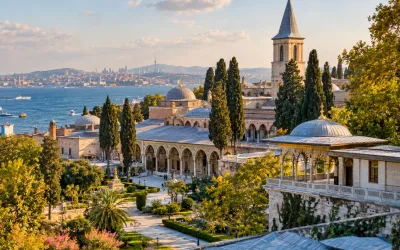
For example, Sultanahmet can easily occupy most of a day because Hagia Sophia, the Blue Mosque, Hippodrome, Topkapi Palace and nearby historical streets are concentrated in the same district.
Travellers who prefer an organised programme can compare Istanbul sightseeing and city tours instead of trying to coordinate every attraction separately.
Leave Space Between Activities
Unexpected delays are normal in Istanbul. Traffic can become heavy, queues may be longer than expected and you may simply discover a neighbourhood where you want to stay longer.
A good Istanbul itinerary should therefore include free time rather than being scheduled minute by minute.
Staying Only Around Sultanahmet
Sultanahmet contains some of Istanbul's greatest historical landmarks, so visiting it is essential for most first-time travellers.
The mistake is thinking that Sultanahmet represents the entire city.
Istanbul Has Many Different Personalities
Beyoğlu, Karaköy, Beşiktaş, Balat, Ortaköy, Üsküdar and Kadıköy each offer a completely different atmosphere.
Crossing from Europe to Asia by ferry can sometimes reveal more about everyday Istanbul than spending another hour inside a tourist attraction.
Visitors who remain exclusively in the historic centre often leave having seen Ottoman and Byzantine Istanbul but very little of modern Istanbul.
Spend Time on Both Continents
The Asian side is not simply another sightseeing area. It offers neighbourhood markets, restaurants, waterfront promenades and a more residential atmosphere.
A ferry ride between the two sides is also one of the easiest and most enjoyable ways to understand Istanbul geographically.
You can browse different Istanbul tours and activities to combine historical sightseeing with Bosphorus experiences and visits beyond the Old City.
Visiting Historical Sites Without Understanding Their Story
Taking a photograph of Hagia Sophia or walking through Topkapi Palace is easy. Understanding what happened inside these buildings over hundreds of years is another matter.
Istanbul's most important monuments contain layers of Roman, Byzantine and Ottoman history that are difficult to appreciate without context.
Hagia Sophia Is More Than a Famous Building
Hagia Sophia has served different religious and political roles during its long history. Topkapi Palace was not simply a royal residence but the administrative heart of the Ottoman Empire for centuries.
Walking through these places without understanding their history can reduce extraordinary monuments to attractive backgrounds for photographs.
Travellers interested in the city's past may find a guided Istanbul Historical Tour with Hagia Sophia and Topkapi Palace useful for understanding the connections between the city's major monuments.
Read Before You Visit
Even if you prefer exploring independently, learning a little about Byzantine Constantinople and the Ottoman Empire before arriving can completely change the experience.
The buildings begin to feel connected rather than appearing as isolated attractions.
Ignoring Mosque Etiquette
Istanbul's historic mosques are active places of worship rather than conventional museums.
Tourists sometimes forget this, especially when visiting famous sites such as the Blue Mosque.
Dress Rules Matter
Visitors should dress respectfully. Shoulders and knees should generally be covered, and women may need to cover their hair in certain mosque areas.
Shoes must also be removed before entering prayer spaces.
Be Aware of Prayer Times
Mosques can temporarily restrict tourist access during prayers, particularly on Fridays.
Instead of becoming frustrated by a temporary closure, use the opportunity to explore nearby streets, cafés or other historical sites before returning later.
Spending All Your Time in Taxis
Taxis can be useful in Istanbul, particularly late at night or when travelling with luggage. However, using taxis for every journey is rarely the most efficient way to explore the city.
Traffic Can Be Slower Than Public Transport
During busy periods, travelling several kilometres by road may take much longer than using a tram, metro, ferry or walking.
Istanbul's public transportation system connects many of the districts most tourists visit.
Ferries Are Part of the Istanbul Experience
A public ferry across the Bosphorus is not merely transportation.
It offers views of the skyline, mosques, palaces, bridges and waterfront neighbourhoods while connecting the European and Asian sides.
Visitors who want a longer experience on the water can also choose one of Istanbul's organised Bosphorus activities.
Skipping the Bosphorus
It is possible to spend several days in Istanbul without ever taking a boat, but doing so means missing one of the city's defining experiences.
The Bosphorus is what separates Europe from Asia and has shaped Istanbul's geography, trade and culture for centuries.
See Istanbul From the Water
From a boat, the scale of the city becomes much easier to understand.
Palaces, Ottoman mansions, fortresses, mosques, neighbourhoods and modern bridges appear along both shores.
Daytime and Evening Cruises Offer Different Experiences
Daytime cruises are usually better for sightseeing and photography.
Evening cruises focus more on the illuminated skyline, entertainment and atmosphere.
Visitors looking for an evening experience can consider a Bosphorus Dinner Cruise in Istanbul, combining the Bosphorus with dinner and Turkish entertainment.
Eating Only in the Most Tourist-Oriented Areas
Restaurants surrounding famous attractions are convenient, but eating every meal beside major tourist sites can result in a very limited impression of Turkish cuisine.
Istanbul's food culture is strongly connected to its neighbourhoods.
Go Beyond Kebab
Turkish cuisine offers much more than döner and kebab.
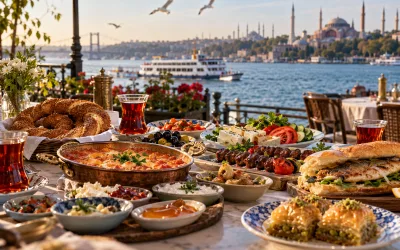
A visit to Istanbul can include meze, grilled fish, pide, lahmacun, regional dishes, traditional breakfast, börek, street food, desserts and many different styles of Turkish cooking.
Cross the Bosphorus for Food
Kadıköy and other neighbourhoods on the Asian side are particularly interesting for visitors who enjoy markets and local food culture.
Travellers who want more context can join an Istanbul Food Tour across the European and Asian sides, where food becomes a way of understanding different parts of the city.
Eating at Restaurants Without Checking Prices
Another common mistake is sitting down at a restaurant in a highly touristic location without checking the menu first.
This is particularly important around major squares, waterfront districts and entertainment areas.
Look at the Menu Before Ordering
Check food prices, drink prices and whether any additional service charges are mentioned.
Most establishments operate normally and transparently, but checking prices beforehand avoids misunderstandings anywhere in the world.
Be Cautious With Unexpected Invitations
If someone unexpectedly approaches you on the street and strongly encourages you to enter a particular restaurant, bar or nightlife venue, there is no obligation to follow them.
Choose places based on your own plans and preferences.
Assuming the Grand Bazaar Is a Normal Shopping Centre
The Grand Bazaar is one of Istanbul's most famous attractions, but visitors sometimes arrive expecting fixed-price retail shopping.
That misses an important part of the experience.
Bargaining Is Part of the Culture
In many traditional shops, particularly for souvenirs, carpets, leather products and certain handicrafts, negotiation is normal.
You do not need to bargain aggressively, but accepting the first price immediately is not always necessary.
Never Feel Pressured to Buy
Shopkeepers may offer tea or spend considerable time showing products. Accepting hospitality does not mean you are required to purchase anything.
A polite “no thank you” is perfectly acceptable.
Changing Too Much Money at the Airport
Airports are convenient places to obtain a small amount of local currency, but exchanging a large amount immediately after landing may not offer the best value.
Compare Exchange Rates
Currency exchange offices can be found throughout central Istanbul.
Rates may vary considerably, so comparing the displayed buying and selling rates before exchanging money is sensible.
Keep Some Turkish Lira
Cards are widely accepted in Istanbul, but cash remains useful for small purchases, markets, certain transport situations and smaller businesses.
Having both a bank card and some Turkish lira is usually the most practical combination.
Forgetting About Istanbul's Hills
Maps make Istanbul look flatter than it really is.
Neighbourhoods such as Galata, Cihangir and parts of the historic peninsula contain steep streets that can become tiring after several hours of sightseeing.
Comfortable Shoes Are Essential
Stylish footwear may seem appropriate for city sightseeing, but Istanbul often involves cobblestones, stairs and long walking distances.
Comfortable shoes can make the difference between enjoying an entire day and wanting to return to the hotel by mid-afternoon.
Expect to Walk More Than Planned
Even when using public transport, sightseeing usually involves considerable walking between stations, attractions and neighbourhoods.
Plan accordingly.
Visiting Popular Attractions at the Busiest Time
Arriving at Istanbul's most famous monuments in the middle of the day often means sharing them with the largest crowds.
Start Early
Hagia Sophia, Topkapi Palace and other major attractions are generally more comfortable earlier in the day.
Starting early also leaves more flexibility later if queues or traffic interfere with the original plan.
Check Opening Days Before Planning
Museums, bazaars and religious sites may have different opening schedules.
For example, some attractions can close on particular weekdays, while mosque access can be affected by prayer times.
Always confirm current opening information shortly before your visit.
Planning Every Day Around the Historic Centre
Spending several consecutive days visiting palaces, mosques and museums can eventually become tiring, even for travellers who love history.
Istanbul works best when different experiences are mixed together.
Alternate History With Neighbourhood Life
One day might focus on Sultanahmet.
The next could involve a Bosphorus cruise, Kadıköy, a food experience or a neighbourhood walk.
Travellers staying longer can also look beyond the city centre through day trips and excursions from Istanbul.
Consider a Day Outside Central Istanbul
Destinations such as Bursa, Sapanca or the Princes' Islands provide a completely different pace from central Istanbul.
They can be especially enjoyable during longer stays.
Treating Istanbul as a Two-Day Stopover
Two days can provide a quick introduction to Istanbul, but they are rarely enough to experience the city properly.
Three to Five Days Is More Comfortable
With three days, visitors can usually combine the historic peninsula, Bosphorus and another neighbourhood.
Four or five days allow time for the Asian side, food experiences, palaces or a day trip without rushing.
Longer Stays Reveal a Different Istanbul
The longer you stay, the less the city feels like a checklist of monuments.
You begin to notice ferries full of commuters, neighbourhood bakeries, tea gardens, local markets and the everyday rhythm that exists beyond major attractions.
Taking Photos Without Paying Attention to the Surroundings
Istanbul is extremely photogenic, and stopping constantly for photographs is understandable.
However, busy streets, tram tracks and crowded viewpoints require attention.
Watch for Trams and Traffic
The historic tram on İstiklal Street and the modern tram network around Sultanahmet operate through areas with large numbers of pedestrians.
Do not step into transport routes while concentrating on a phone or camera.
Protect Your Belongings in Crowded Areas
As in other major tourist cities, keep bags, phones and wallets secure in very busy areas, particularly markets, public transport and crowded streets.
Basic awareness is usually sufficient.
Expecting Istanbul to Be the Same Everywhere
Perhaps the biggest mistake of all is arriving with a fixed idea of what Istanbul should look like.
Istanbul is simultaneously historical and modern, European and Asian, chaotic and peaceful.
You might spend the morning inside a 1,500-year-old monument, eat lunch in a traditional market, cross continents by ferry in the afternoon and end the evening in a modern restaurant overlooking the Bosphorus.
Do Not Turn the City Into a Checklist
The most memorable Istanbul experiences are not always famous attractions.
Sometimes they are drinking tea beside the Bosphorus, watching fishermen on Galata Bridge, getting slightly lost in a neighbourhood or taking the ferry just before sunset.
Give Istanbul Time
Seeing Istanbul properly is not about visiting the maximum number of attractions.
It is about understanding how its history, neighbourhoods, water, food and everyday life connect.
A Better Way to Experience Istanbul
Most mistakes tourists make in Istanbul come from the same problem: trying to experience a huge and complicated city too quickly.
Plan your days by area, use public transport, spend time on both continents, learn the stories behind the historical sites and leave room for experiences that were not originally on your itinerary.
For travellers who prefer to organise some parts of their stay in advance, Vigo Tours offers a selection of Istanbul tours, Bosphorus cruises, city experiences and day trips.
A good Istanbul trip should include famous landmarks, but it should also include neighbourhood streets, ferries, local food and enough free time to experience the city beyond the guidebook.