Safe Travel Tips in Turkey
Food handling, drinking-water quality and the source of alcoholic drinks deserve attention on any trip. These practical precautions can reduce risks while you explore Turkey; they cannot guarantee that a particular meal, drink or venue is safe.
Alcohol: choose a traceable source
Counterfeit spirits can contain methanol, which may cause blindness or death. You cannot identify it by taste, smell or appearance. Do not sample a drink to test it.
- Buy from licensed, established retailers and venues. Avoid unlabelled, homemade or otherwise untraceable spirits.
- Check the original seal, label and bottle for signs of tampering. Refuse damaged or suspicious packaging; an intact-looking bottle is not proof of authenticity.
- Treat unusually cheap offers as a warning, not as the only test. High prices, luxury surroundings and good online reviews do not certify a drink's contents.
- Buy your own drinks and keep them in sight. Hotel staff or a trusted guide can help you choose a venue, but recommendations are not a safety guarantee.
If poisoning is suspected
Seek urgent medical help and call 112 if you suspect methanol poisoning. Symptoms may be delayed. Blurred vision, severe vomiting, unusual confusion, breathing problems or collapse after drinking require urgent attention; do not dismiss them as a hangover. Do not wait for every symptom, induce vomiting or attempt a home antidote. Follow the emergency operator's instructions and, if available, show clinicians the bottle or packaging. Do not drive yourself.
Food and water: focus on handling, not price
- Choose food cooked thoroughly and served hot. Avoid raw or undercooked meat, seafood and eggs, and unpasteurised dairy products.
- At a market stall, buffet or restaurant, look at cleanliness, food protection and refrigeration. Avoid perishable dishes left standing in the heat. A busy stall or an expensive hotel is not a substitute for safe handling.
- Wash your hands before eating. Where water safety is uncertain, use sealed bottled or properly treated water; check that ice is made from safe water. Fruit you can wash safely and peel yourself is a useful option.
- Do not eat food that seems spoiled, but remember that harmful contamination may have no unusual smell or taste. Rich or spicy meals may cause indigestion without being food poisoning.
Get medical advice for bloody diarrhoea, high fever, persistent symptoms, repeated vomiting that prevents drinking, or signs of dehydration such as very little urine or dizziness. Children, pregnant travellers, older adults and people with weakened immunity may need help sooner.
Prepare for other travel health risks
- Heat and sun: carry drinking water, take shade breaks, wear a hat and light clothing, and apply sunscreen as directed. Plan demanding walks outside the hottest hours.
- Insects: use an appropriate repellent according to its label, cover exposed skin when needed and choose screened rooms or mosquito nets.
- Allergies and respiratory infections: bring your usual prescribed medicines, avoid known triggers and favour well-ventilated spaces. Dust and pollen can aggravate symptoms.
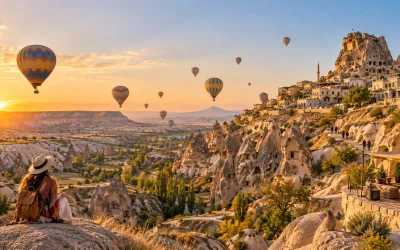
- Higher ground: check the actual altitude and ascent of a mountain itinerary, particularly in eastern Anatolia. Allow time to adjust and discuss relevant health conditions with a clinician. Plan Cappadocia walks and higher mountain routes according to their actual elevation and difficulty.
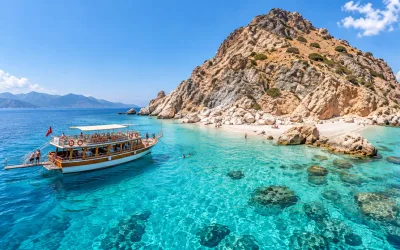
- Walking and swimming: wear suitable shoes, carry a small first-aid kit and follow local beach flags and activity instructions. Avoid unfamiliar currents, poorly maintained pools and contact with marine animals. Seek advice for persistent ear pain after swimming.
- Motion sickness: winding coastal roads, boats and flights can trigger nausea. Ask a pharmacist or clinician about suitable prevention before departure; medicines are not appropriate for everyone and may cause drowsiness.
Everyday safety and getting help
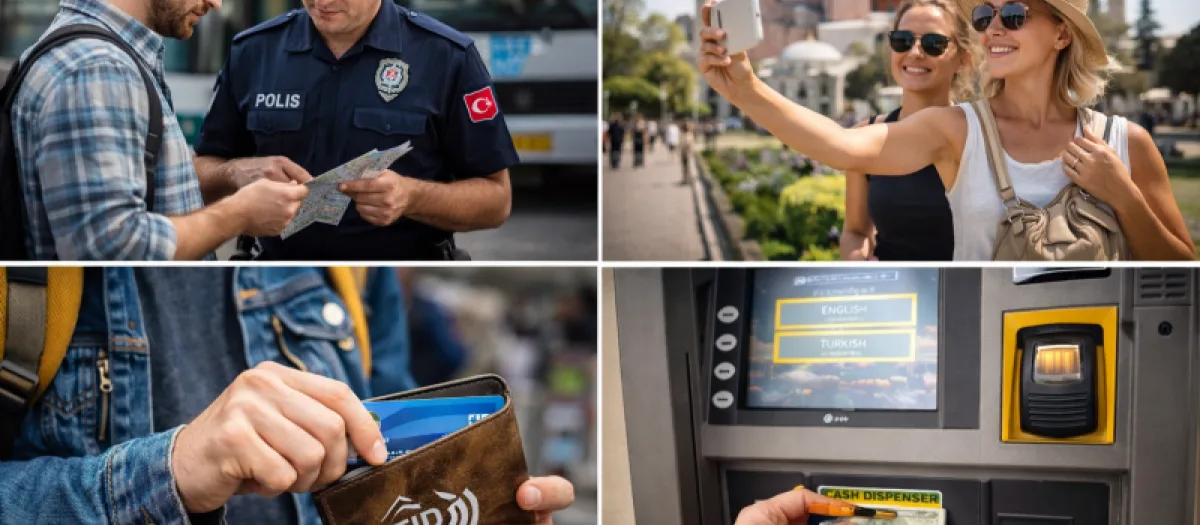
Confirm prices before buying, secure valuables in crowded markets and use licensed taxis or verified transport bookings. Keep your accommodation address and insurance assistance details offline. A few Turkish phrases can make it easier to explain what you need.
112 is Turkey's single emergency number for ambulance, police and fire assistance. Give your location and describe what happened. For non-emergency questions about a Vigo Tours booking, use our contact page; do not wait for a tour company reply in a medical emergency. This guide is general information, not a diagnosis or personalised medical advice.
Further planning and official information
- Tours and activities in Side
- Tours and activities in Istanbul
- 15 Essential Tips Every Traveler Should Know Before Visiting Turkey
- Everything You Need to Know Before Traveling to Turkey!
- Essential SIM Card and Money Tips for Your Trip to Turkey
Turkish Ministry of Agriculture: counterfeit alcohol (Turkish) · CDC: food and water precautions (English).