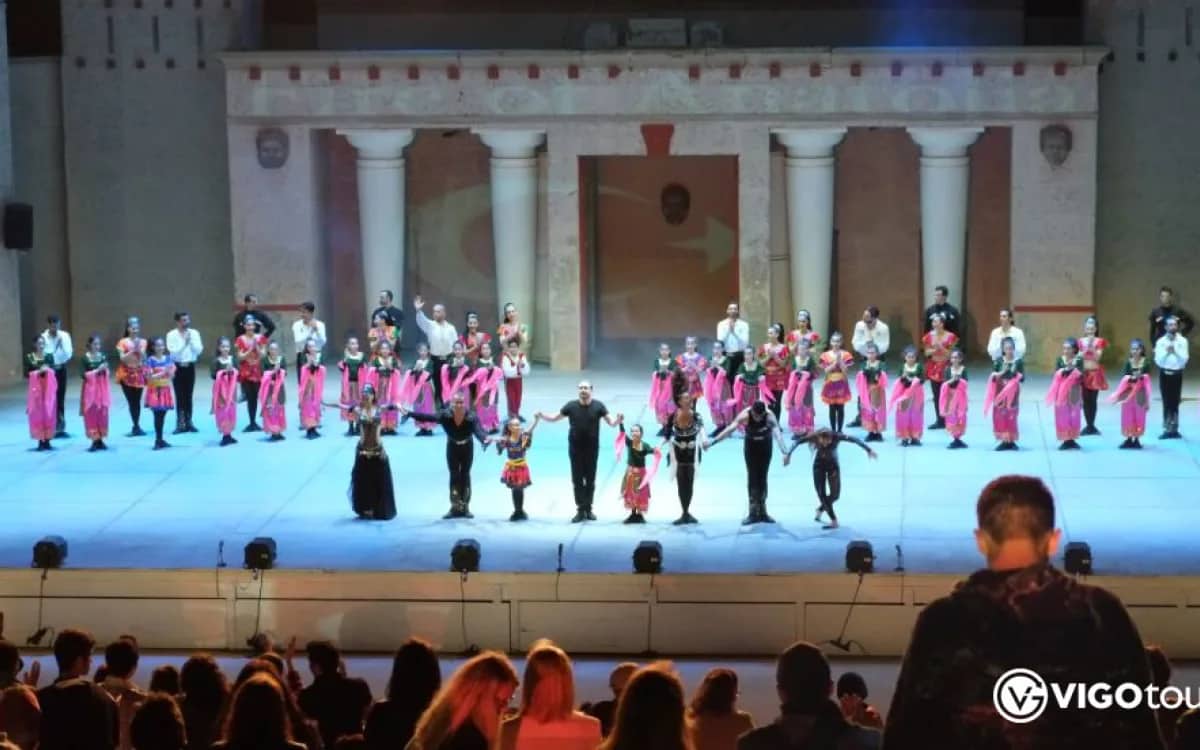
Fire of Anatolia at Aspendos
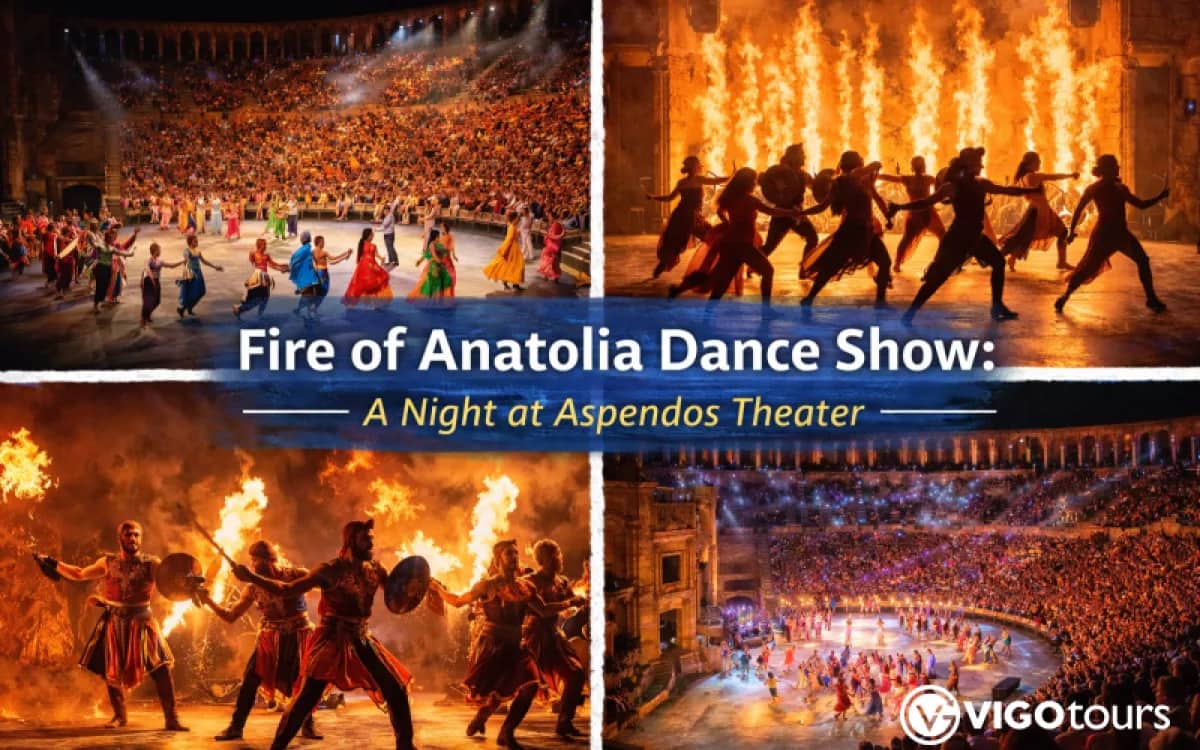
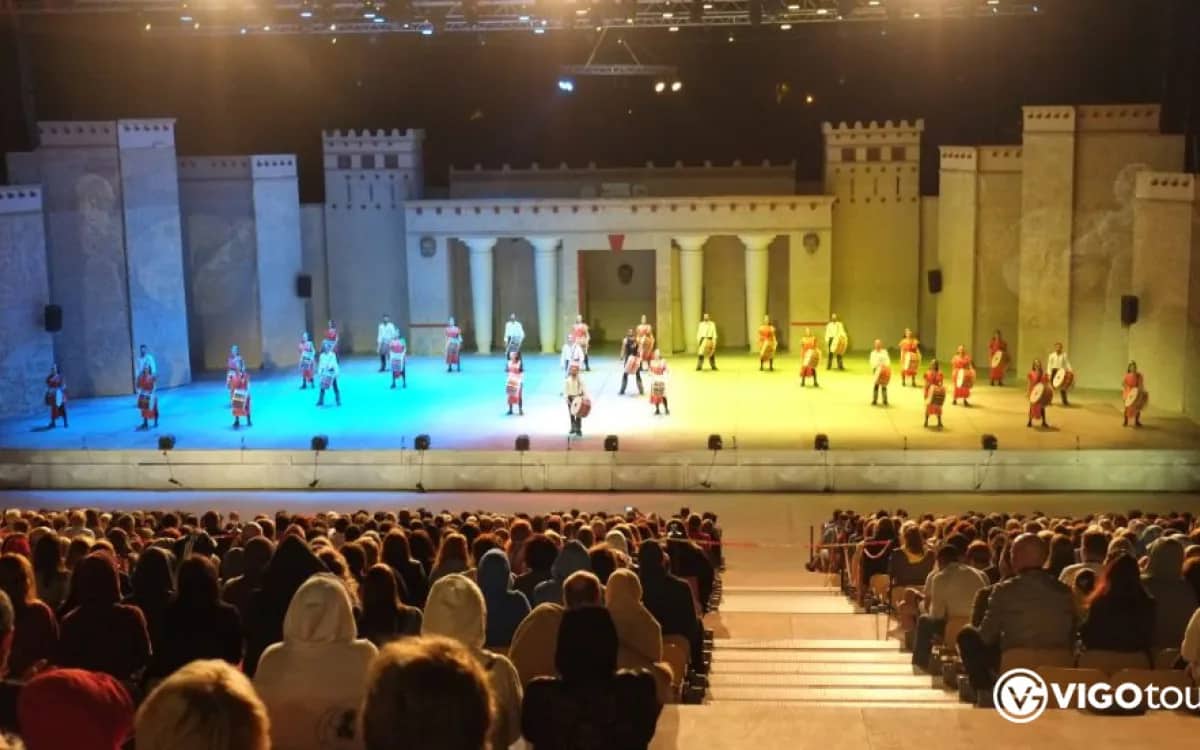
Many visitors come to Aspendos expecting only a dance show, but the venue itself is often what people remember first. Long before the performance begins, spectators gradually fill the large stone seating area while the evening light fades over the surrounding countryside. Unlike a modern theatre, Aspendos has a sense of scale that immediately reminds visitors they are sitting in a place connected to nearly two thousand years of history.
Why Is Fire of Anatolia Performed at Aspendos?
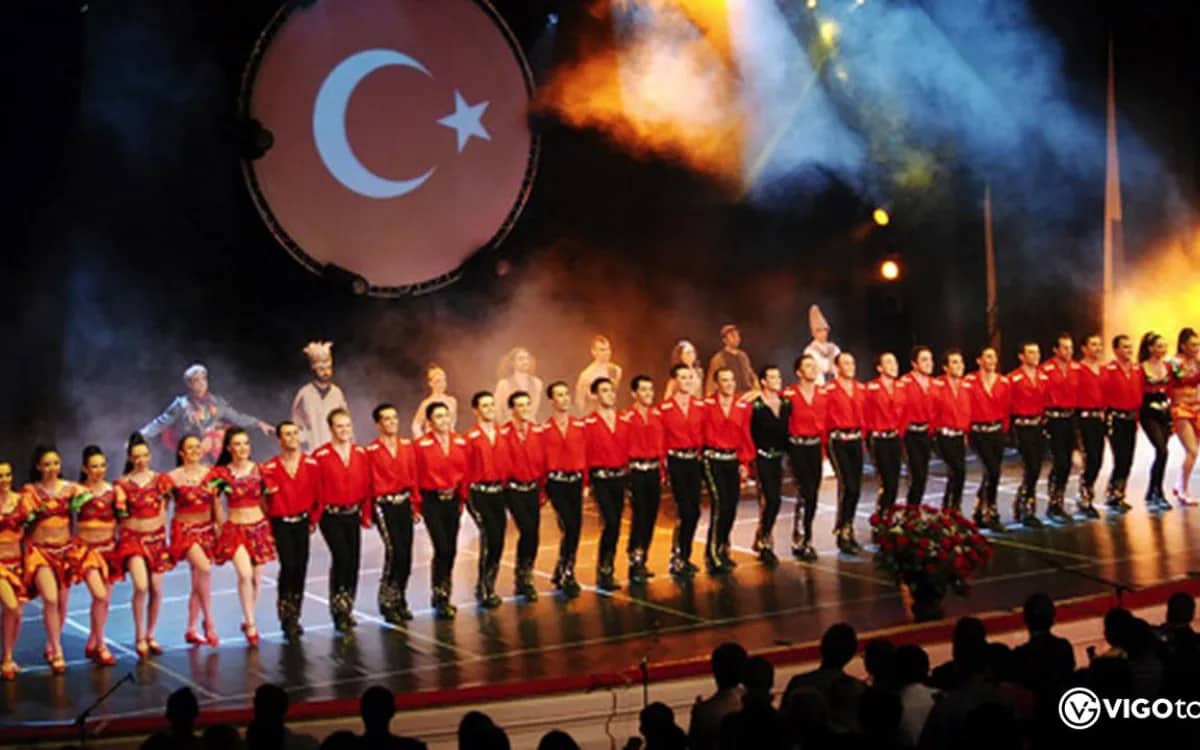
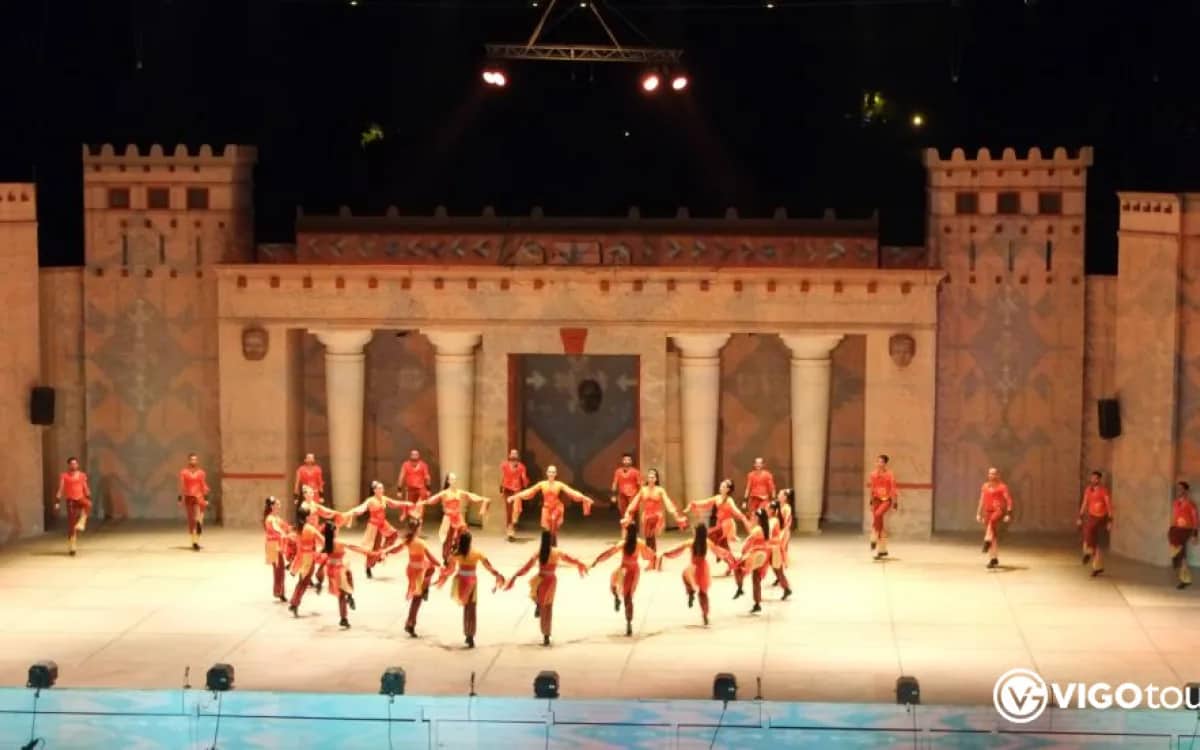
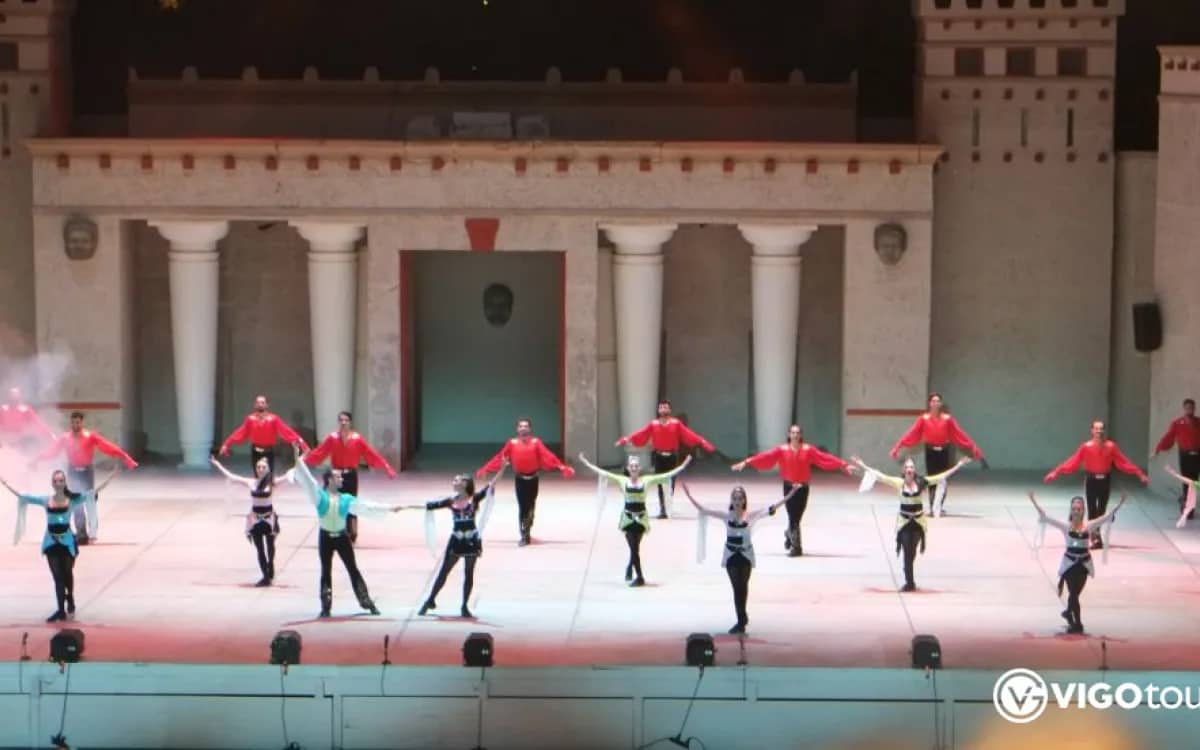
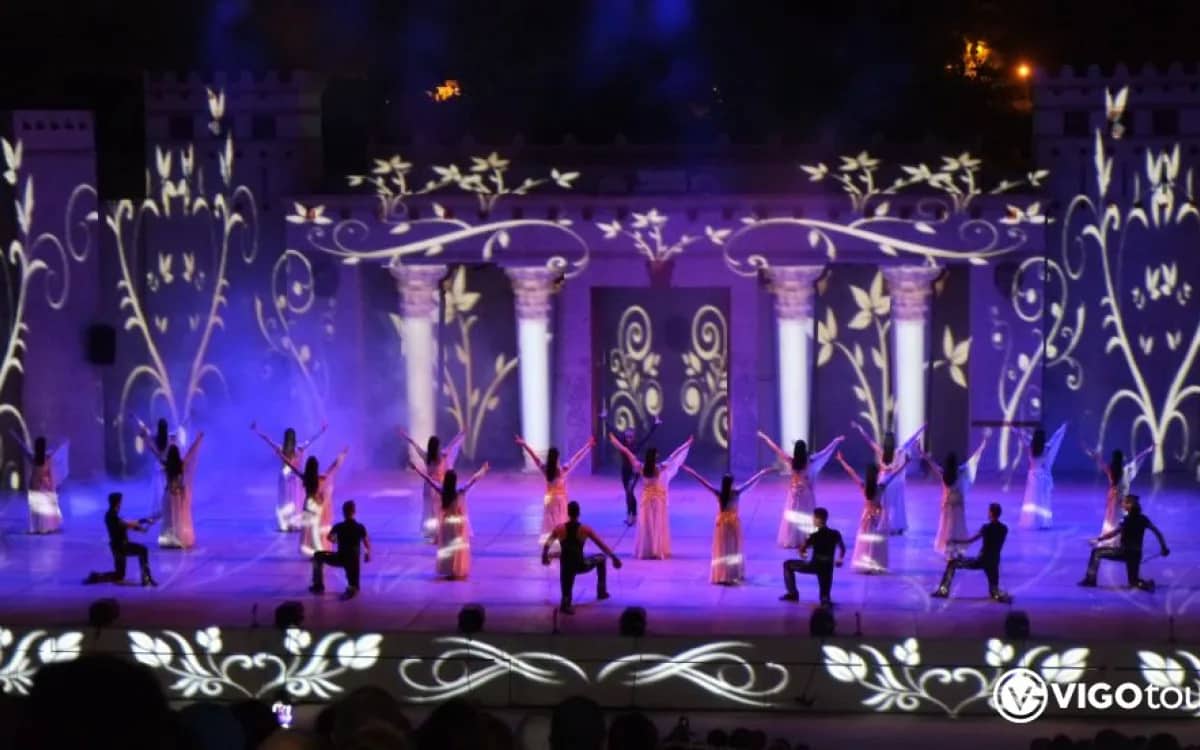
Fire of Anatolia has been associated with Aspendos for many years. The size of the venue allows large groups of dancers to perform on a stage that would be difficult to recreate in a conventional theatre. The open-air setting also changes the atmosphere of the performance. Instead of entering a dark auditorium, audiences watch the show beneath the night sky in one of the most recognizable historical locations in southern Turkey.
More Than a Dance Performance
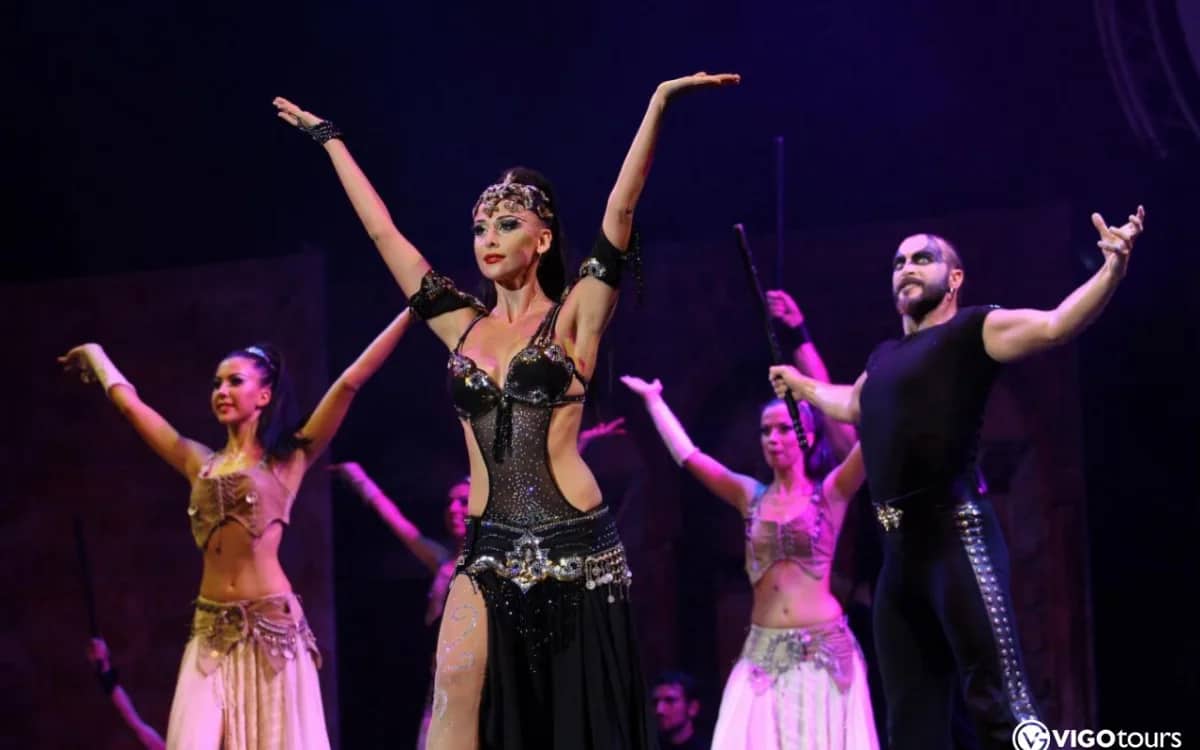
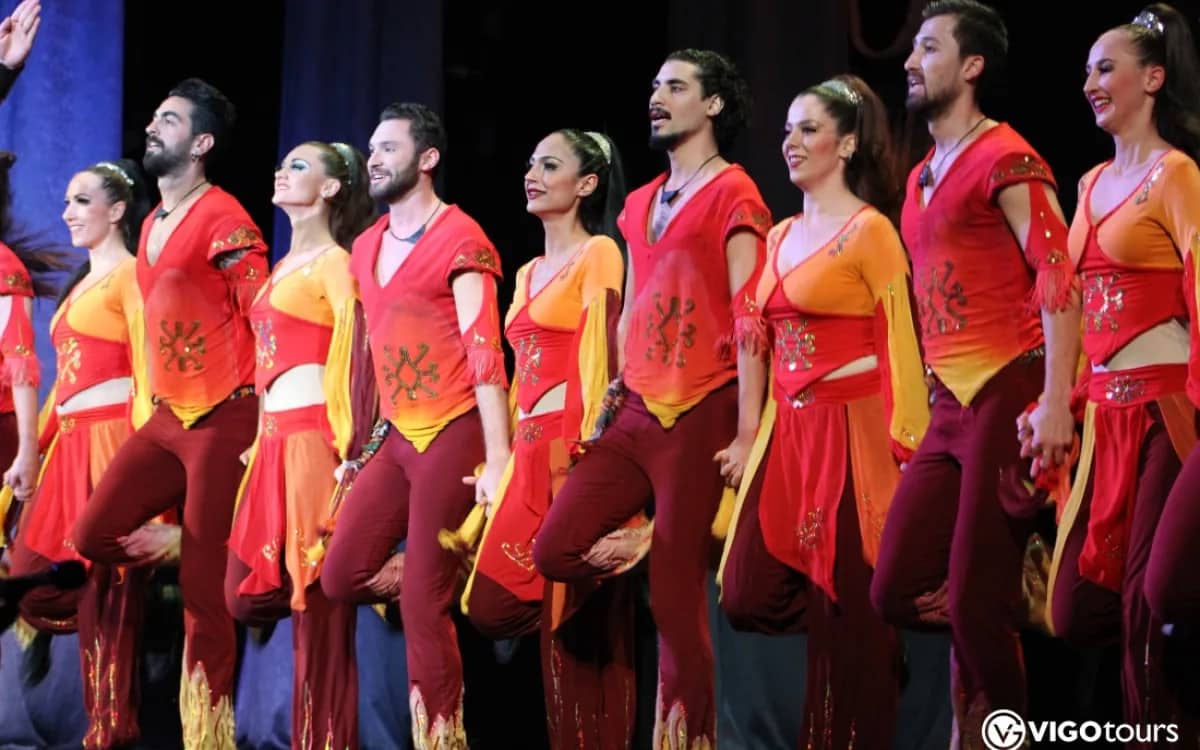
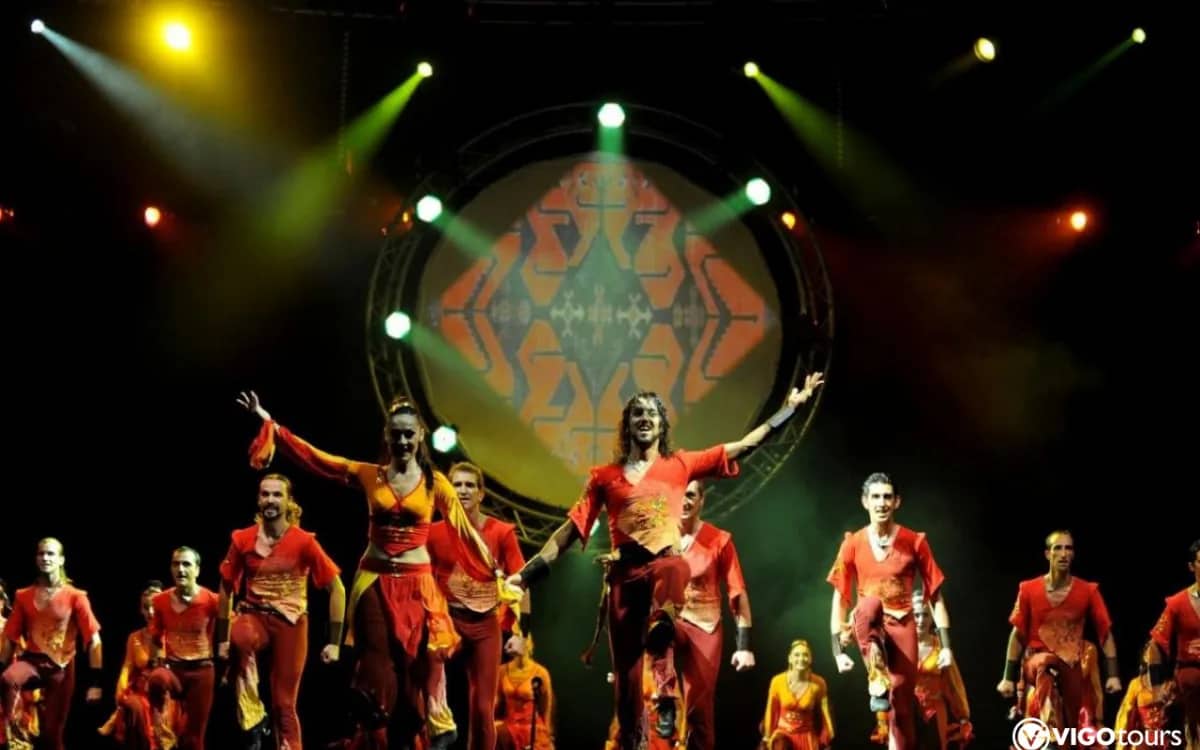
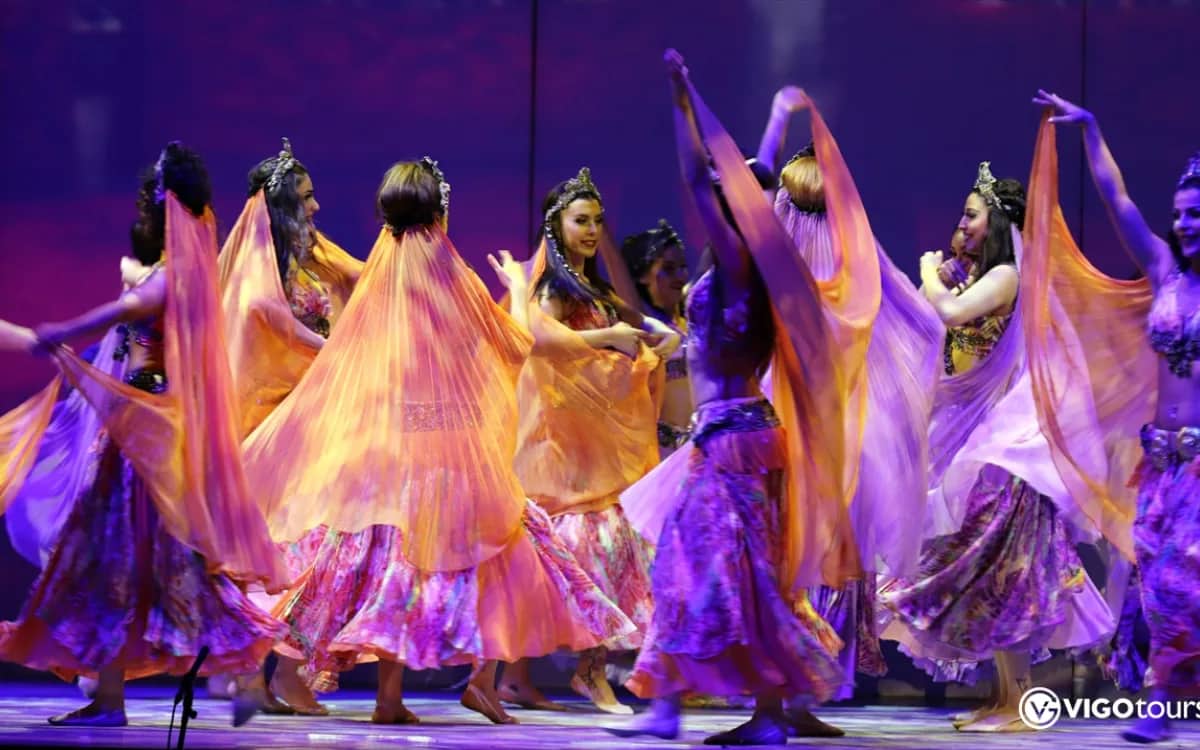
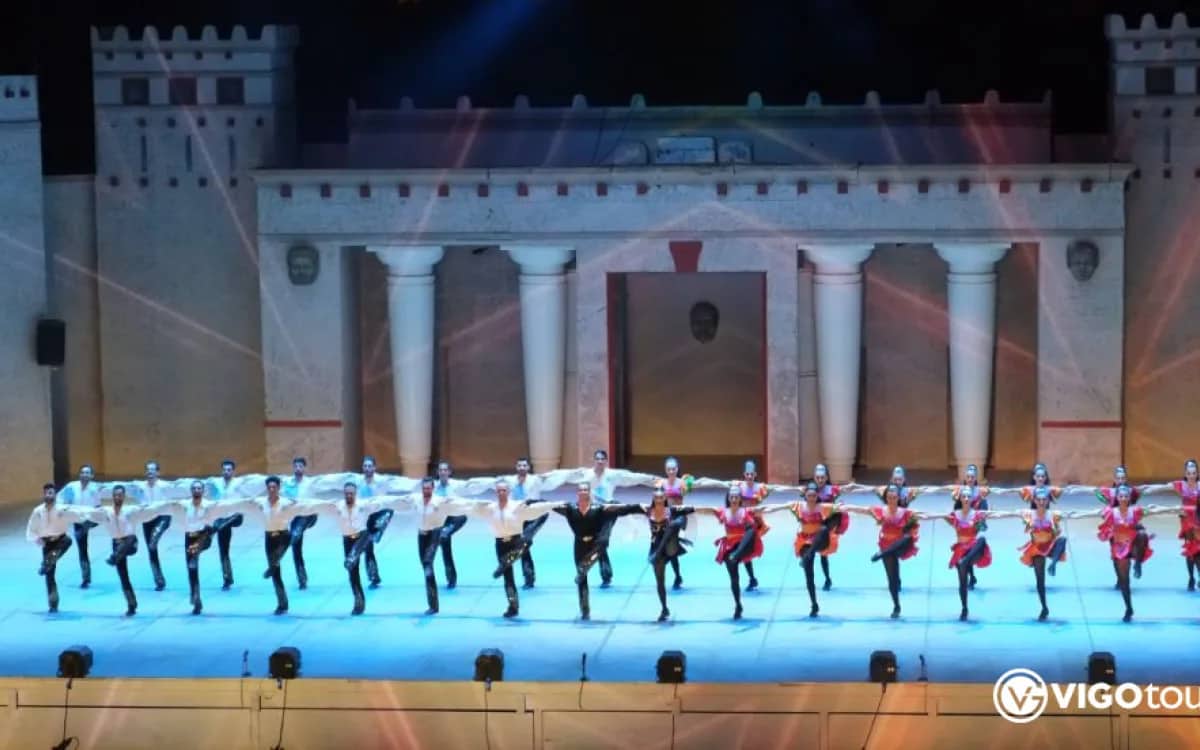
Although Fire of Anatolia is usually described as a dance show, it is closer to a stage production built around movement, rhythm, and cultural themes. Different sections draw inspiration from various regions of Anatolia, each bringing its own style of music, costume, and choreography.
The performance does not attempt to present history in a chronological way. Instead, it combines symbols, traditions, and stories that have shaped Anatolia over centuries. Some scenes are energetic and fast-paced, while others focus on ritual, spirituality, and collective movement.
Semah and Cultural Traditions
Among the quieter moments of the production is the inclusion of Semah, a ceremonial dance associated with the Alevi-Bektashi tradition. Rather than being presented as a historical reenactment, it appears as part of a wider narrative about cultural identity and shared heritage.
Regional Influences
Visitors often notice that the show moves between very different styles of dance. Certain sections reflect traditions from eastern Anatolia and the Caucasus, while others incorporate rhythms and movements familiar from western and central parts of Turkey. This variety is one of the reasons the production has remained popular for many years.
Fire of Anatolia and the Former Troy Dance Show
For many years, visitors to Antalya could choose between Fire of Anatolia and the Troy Dance Show. Both productions were developed by the same artistic team and shared a similar approach to large-scale choreography and storytelling.
While Troy focused on a single legendary narrative, Fire of Anatolia explores a much broader range of cultural themes. Today, Fire of Anatolia continues to be performed, while Troy is no longer part of the regular performance programme.
Watching Fire of Anatolia from Side
Visitors staying in Side often choose an evening visit to Aspendos because it offers a different experience from the coast, beaches, and archaeological sites usually included in a holiday itinerary. The journey inland takes spectators away from the resort atmosphere and into one of the region's best-known cultural venues.
For many guests, the combination of a historic setting, live performance, and the evening atmosphere of Aspendos is what makes the experience memorable rather than any single part of the show itself.
What Visitors Often Ask About Fire of Anatolia
Why is Fire of Anatolia performed at Aspendos?
Aspendos has become closely associated with large-scale cultural performances because of its size and historical atmosphere. The venue can accommodate large audiences and provides a unique setting that differs significantly from a modern theatre.
Is Fire of Anatolia based on a historical story?
Not exactly. Unlike productions that focus on a single historical event or character, Fire of Anatolia draws inspiration from different periods, traditions, and cultures that have influenced Anatolia throughout history.
Is Fire of Anatolia the same show as Troy?
No. Although both productions were created by the same artistic team, they are different shows. Troy was built around the story of the ancient city of Troy, while Fire of Anatolia explores a broader range of cultural themes and dance traditions.
Is the Troy Dance Show still performed?
The Troy Dance Show is not currently part of the regular performance programme. Visitors looking for a similar large-scale dance production in the Antalya region generally attend Fire of Anatolia instead.
Why do many visitors choose Fire of Anatolia?
For many people, the combination of live performance and the setting of Aspendos is what makes the experience interesting. The show itself is only one part of the evening; the venue and atmosphere also play an important role.
Does Fire of Anatolia include traditional Turkish dances?
Yes. The production incorporates dance styles and musical influences from different regions of Turkey. Traditional elements are adapted for the stage while retaining their cultural origins.
What is the meaning of Semah in Fire of Anatolia?
Semah is a ceremonial dance associated with the Alevi-Bektashi tradition. Within the production, it represents one aspect of Anatolia's cultural and spiritual heritage.
Is Fire of Anatolia suitable for visitors who are not interested in dance?
Many visitors attend because of the historical setting of Aspendos as much as the performance itself. The show combines music, visual presentation, and cultural themes, making it accessible even for those who do not normally watch dance productions.
How long has Fire of Anatolia been performed?
Fire of Anatolia was first staged in the early 2000s and has since been presented in many countries. It remains one of the best-known Turkish cultural productions.
What makes Fire of Anatolia different from other evening shows in Antalya?
Most evening entertainment in the region takes place in hotels, restaurants, or modern venues. Fire of Anatolia is performed in a historic setting associated with centuries of cultural activity, which creates a different atmosphere from conventional entertainment events.
Fire of Anatolia Dance Show or Troy Dance Show?
Both the Fire of Anatolia and Troy dance shows are performed by the same professional dance group, and both have previously been staged at the ancient Aspendos Theatre.
However, for the 2026 season, the Troy dance show is not included in the program. Instead, the Fire of Anatolia show will continue throughout the season every Tuesday and Friday at the ancient Aspendos Theatre.
Therefore, there will be no Troy dance show in the 2026 season. Guests who would like to experience this world-famous dance group can attend the Fire of Anatolia performance at Aspendos.