Grand Bazaar and Spice Bazaar: two sides of Istanbul
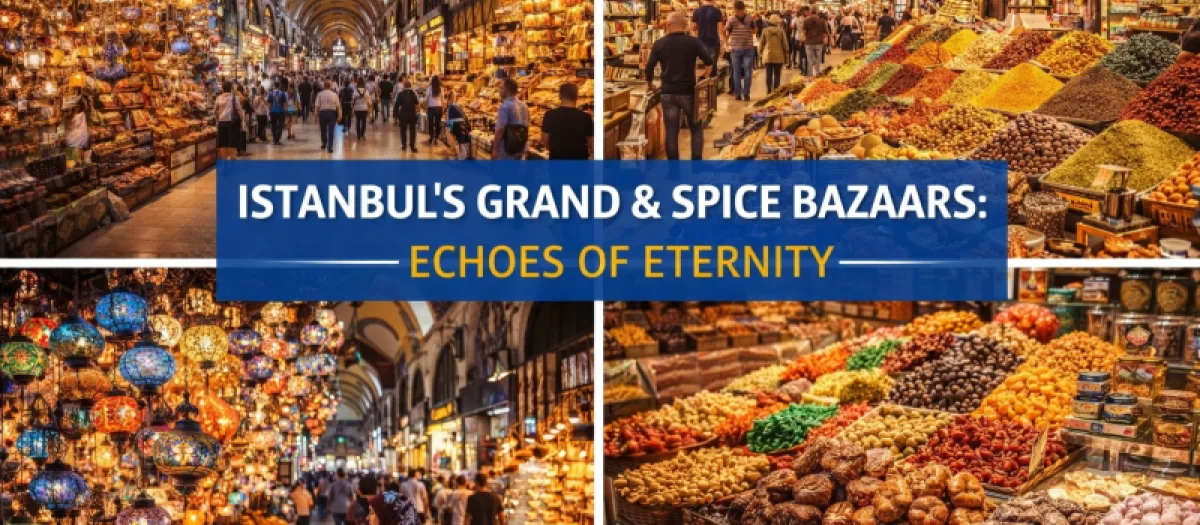
The sound of a jeweller’s tools, the colours of a kilim and the scent of cinnamon offer different ways into Istanbul’s history. The Grand Bazaar and the Spice Bazaar are working markets, not museum displays. Visit for the shops, but leave time to notice the architecture and everyday conversations around you.
The Grand Bazaar: craft beneath the vaulted roofs
Between Beyazıt and Nuruosmaniye, the Grand Bazaar grew around its fifteenth-century bedestens, the covered trading halls at its centre. Its management recognises 1461 as its founding year. Fires, earthquakes and rebuilding have shaped the complex over the centuries.
The appeal is in the variety: gold and silver jewellery, carpets and kilims, leather, ceramics, textiles and copperwork. In the Bedesten, stone walls and vaults give a sense of the older market within the larger network of lanes. Names such as Kalpakçılar and Aynacılar also preserve traces of its trading life.
You do not need to buy something to enjoy a visit. Watch a carpet being unfolded, compare the details of a piece of metalwork or stop for a conversation if the shopkeeper has time. Remember the gate or street you entered through; the covered lanes can soon feel alike.
The Spice Bazaar: flavours beside Eminönü
Near the New Mosque and the Eminönü waterfront, the Spice Bazaar belongs to the seventeenth-century mosque complex. Construction began in 1660 and was completed in 1664. It offers a more concentrated food-shopping experience than the Grand Bazaar.
Look for sumac, pul biber, cinnamon, pepper and saffron alongside dried figs, apricots, pistachios, other nuts and lokum. Herbal and fruit teas add another layer of colour. Ask about ingredients, origin and the price per unit; a display or sales description alone does not establish quality or health benefits.
The vaulted corridors are part of the pleasure, but so is stepping outside. The ferries, seagulls and waterfront activity of Eminönü place the market back in the rhythm of the city.
Plan a relaxed visit
These are two separate markets. Decide which interests you most, then allow enough time for the journey between them rather than treating them as one building. Comfortable shoes and a light bag help in crowded lanes.
Confirm opening days and holiday arrangements before travelling. The Spice Bazaar’s tradesmen’s association currently lists 08:00–19:30, seven days a week; individual shops and special days may differ. Consult the Spice Bazaar association and Grand Bazaar management for current notices instead of relying on an old timetable.
Buying thoughtfully
Compare products and agree the currency, quantity and final price before paying. Bargaining depends on the shop; a friendly invitation does not oblige you to buy. Ask before photographing people or merchandise. For food, check ingredients and packaging, particularly if you have allergies or need to carry it home.
The most memorable part may be a modest purchase or simply watching the market at work. Both bazaars reward attention more than a hurried checklist.