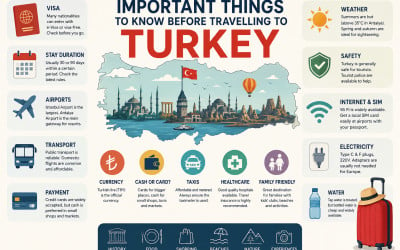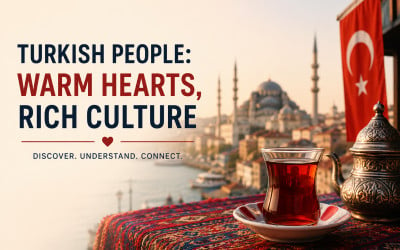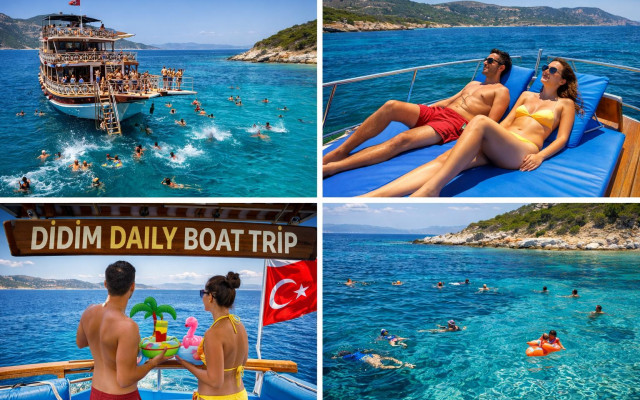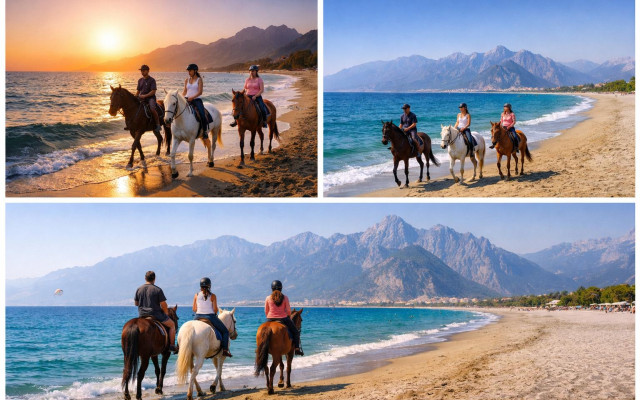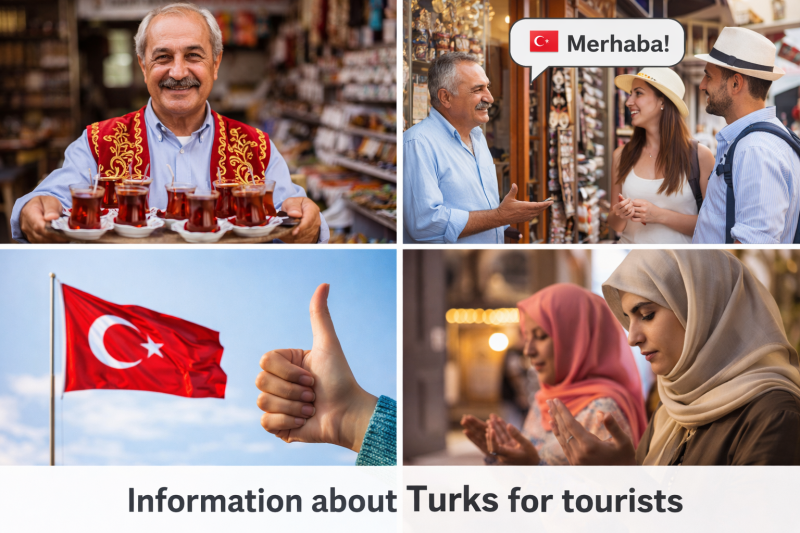
Welcome to Turkey! We're excited to provide valuable info about Turks, tailored for tourists. Expect warm hospitality, genuine friendliness, and unforgettable experiences. Turkey offers rich cultural heritage, vibrant cities, breathtaking landscapes, and something for everyone. Explore Istanbul, Ephesus, and indulge in Turkish cuisine. Immerse in history, tradition, and hospitality. Get ready for an extraordinary journey across this beautiful country.
Information About Turks for Tourists — Culture, Daily Life, and Practical Insights
Introduction
Planning a trip to Turkey? Understanding the people, culture, and everyday habits will greatly enhance your experience. Turks are known for their warmth, strong social bonds, and a way of life shaped by history, geography, and tradition. While Turkey is modern and dynamic, many customs remain deeply rooted and are reflected in daily interactions.
This guide is written to help visitors better understand Turkish society — how people communicate, what they value, how they socialize, and what tourists can realistically expect while traveling across the country.
Who Are the Turks?
Turks are generally friendly, expressive, and community-oriented. Social interaction plays an important role in daily life — conversations are lively, hospitality is sincere, and helping a stranger is seen as a natural duty rather than an exception.
Family, respect, and shared meals are central values. Whether you are in a large city or a small town, you will likely notice a strong sense of belonging and social awareness.
Hospitality and Social Behavior
Hospitality is one of the most defining traits of Turkish culture. Guests are treated with generosity, and offering tea or coffee is a common gesture of goodwill. Refusing hospitality repeatedly may be perceived as distant rather than polite.
Greetings are usually warm — handshakes are common, and among friends or relatives, cheek kisses may be exchanged. Conversations often start easily, even with strangers.
Language and Communication
The official language is Turkish, spoken by the vast majority of the population. In tourist areas, English is commonly understood, but fluency may vary. Making an effort to use simple Turkish words is often met with appreciation.
Communication is expressive — hand gestures, facial expressions, and tone of voice are frequently used to emphasize meaning.
Religion and Daily Life
Most Turks identify as Muslim, but Turkey is a secular country. Religious practice varies widely from person to person. In daily life, you may notice mosques, prayer calls, and religious holidays, while at the same time encountering a modern, diverse social environment.
Respect for religious customs — especially during Ramadan or when visiting mosques — is appreciated, but tourists are not expected to participate.
Food Culture and Social Eating
Food is a major part of social life in Turkey. Meals are rarely rushed and are often shared. Inviting someone to eat is a sign of friendliness and connection.
Tea is consumed throughout the day, while coffee is usually enjoyed slowly and socially. Street food, home cooking, and restaurant dining all coexist naturally.
Frequently Asked Questions — Realistic Visitor Concerns
Are Turks friendly to tourists?
Yes — most tourists find Turks welcoming and helpful, especially when approached respectfully.
Is it safe to talk to strangers?
Generally yes — casual conversation is common, particularly in cafés, shops, and public spaces.
Do people expect tips?
Tipping is appreciated but not mandatory. Small tips are common in restaurants and taxis.
Is bargaining normal?
Yes — especially in bazaars and markets. It is part of the culture and usually friendly.
How do Turks view time?
Social time is flexible — being slightly late is often acceptable, especially in informal settings.
Is direct eye contact acceptable?
Yes — it shows honesty and attention, though staring should be avoided.
Are public displays of affection acceptable?
Holding hands is common, but excessive displays are uncommon in conservative areas.
Can women travel alone in Turkey?
Yes — many women travel independently. Dressing modestly can reduce unwanted attention.
Do Turks speak loudly?
Conversations can be animated — this reflects enthusiasm, not aggression.
Is it rude to refuse tea or food?
Refusing once is fine — repeatedly declining may seem distant.
How do Turks feel about photos?
Tourist photos are usually fine, but always ask before photographing people.
Are political topics safe to discuss?
It is better to avoid sensitive political or historical debates.
How important is family?
Family is central — elders are respected, and family gatherings are frequent.
Is English enough to get by?
Yes in tourist areas — learning basic Turkish words improves interactions.
Do Turks expect formal behavior?
Politeness is valued, but warmth is preferred over formality.
What should tourists avoid?
Disrespecting religious sites, being impatient, or dismissing local customs.
Is Turkey culturally European or Middle Eastern?
Turkey blends both — along with Central Asian and Mediterranean influences.
Are social norms the same everywhere?
No — coastal and urban areas are generally more liberal than rural regions.
Do people mind questions from tourists?
Most people enjoy explaining their culture when asked respectfully.
Is Turkey suitable for long stays?
Yes — many visitors find the lifestyle comfortable and socially engaging.
Understanding Daily Life
Daily life in Turkey balances tradition and modernity. You may see people in business attire walking past historic buildings, or families enjoying evening walks in busy city centers. Social interaction continues late into the evening, especially in warmer months.
Shops, cafés, and public spaces are places not just for transactions, but for conversation and connection.
Final Thoughts
Turkey is not just a destination — it is a lived experience shaped by its people. Turks value relationships, hospitality, and shared moments. Approaching the culture with curiosity, respect, and openness will almost always be met with warmth.
For travelers willing to engage beyond sightseeing, Turkey offers meaningful connections and a deeper understanding of a society where tradition and modern life coexist naturally.