Türkiye has seven geographical regions: Marmara, Aegean, Mediterranean, Black Sea, Central Anatolia, Eastern Anatolia and Southeastern Anatolia. The First Turkish Geography Congress defined them in 1941. Landforms, climate and settlement help explain their differences. Provincial boundaries serve administrative purposes and do not always follow the geographical boundaries.
Marmara
The Bosphorus, Sea of Marmara and Dardanelles form the waterway between the Black Sea and the Aegean. Split a first visit to Istanbul between the Historic Peninsula and the Bosphorus shore. A ferry between the European and Asian sides is a practical way to see both banks from the water.
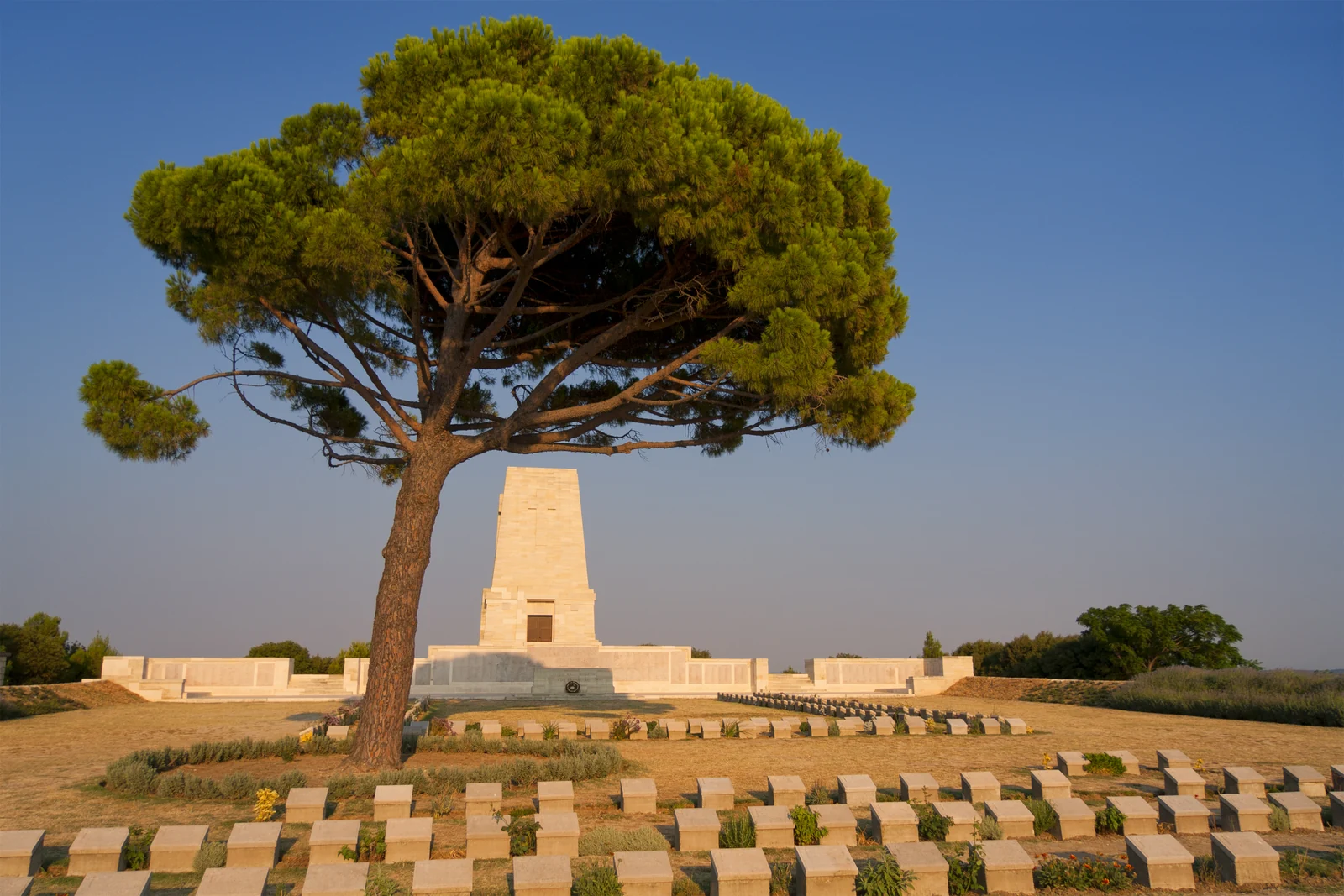
Bursa’s Ottoman heritage and the village of Cumalıkızık make a separate day out. Consider staying near Çanakkale if you want time at Troy. Plan the Gallipoli Peninsula separately if you are visiting both sides of the Dardanelles.
Aegean
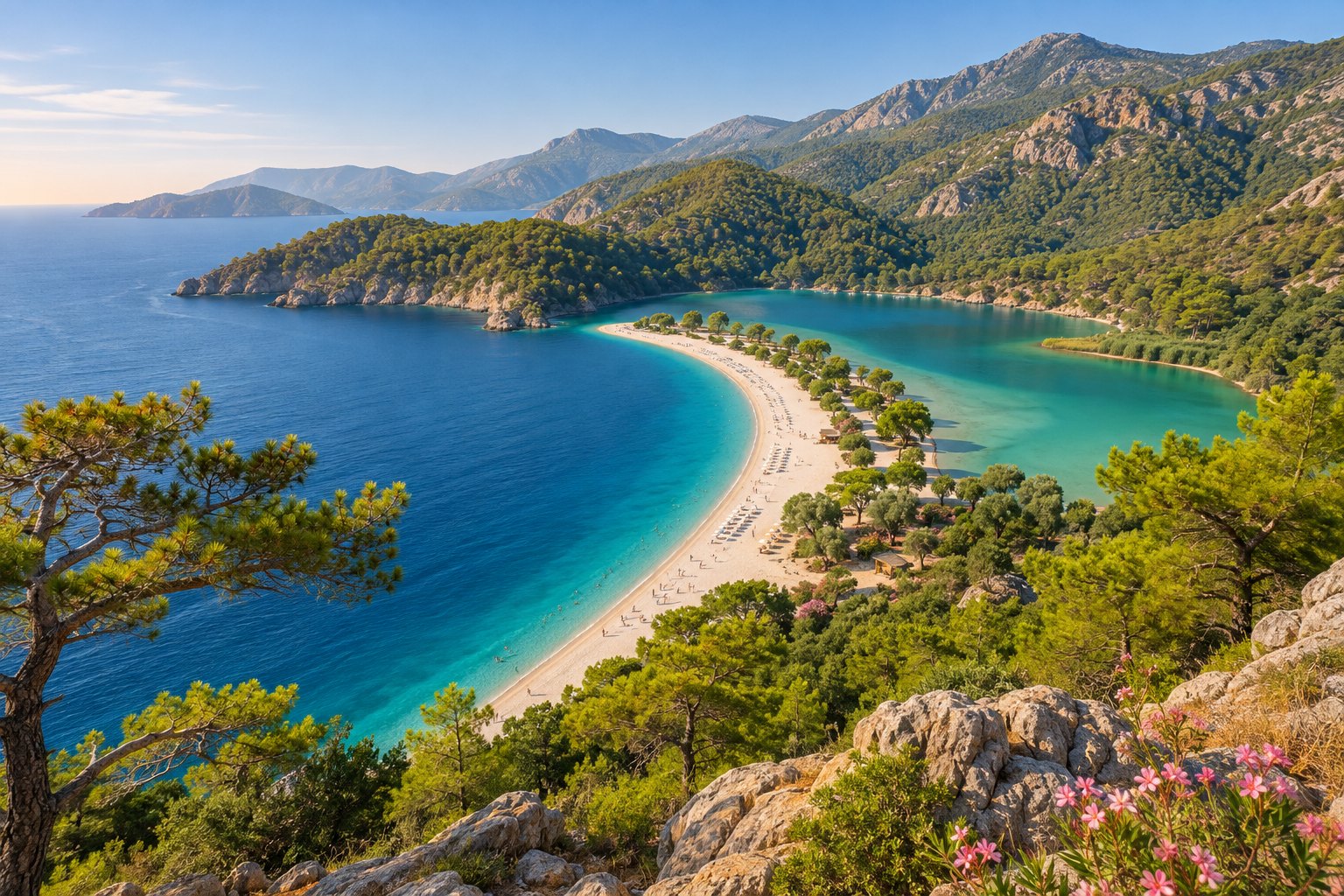
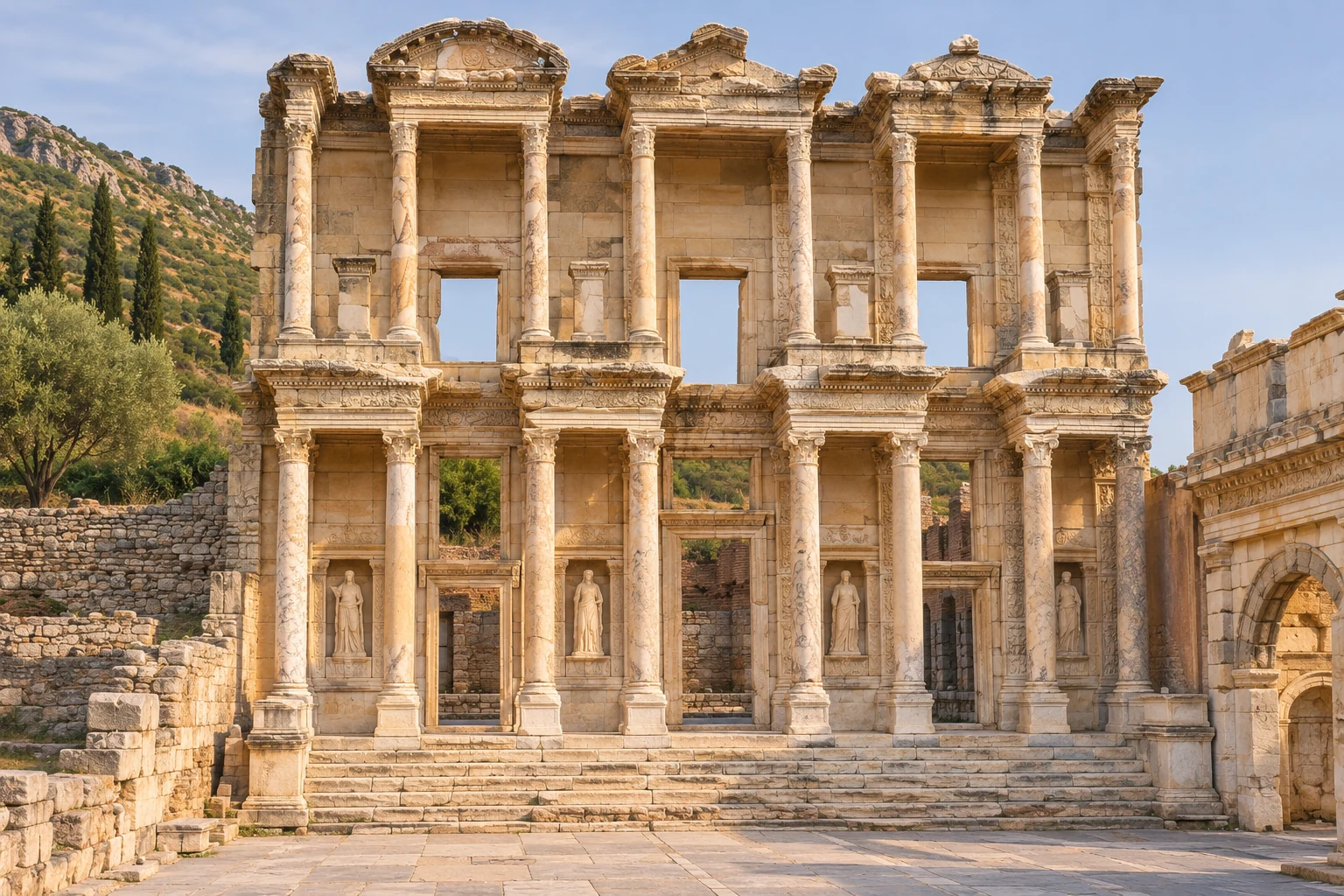
Peninsulas, sheltered bays and olive groves shape the Aegean landscape. İzmir works as a city base, while Selçuk is convenient for Ephesus and nearby sites. Bodrum is a separate stop for a beach stay, harbour walks and short boat trips.
Pamukkale and Hierapolis are inland, near Denizli. Factor in the return journey if you are leaving from the coast. At open archaeological sites, allow for walking in direct sun and take water and suitable shoes.
Mediterranean
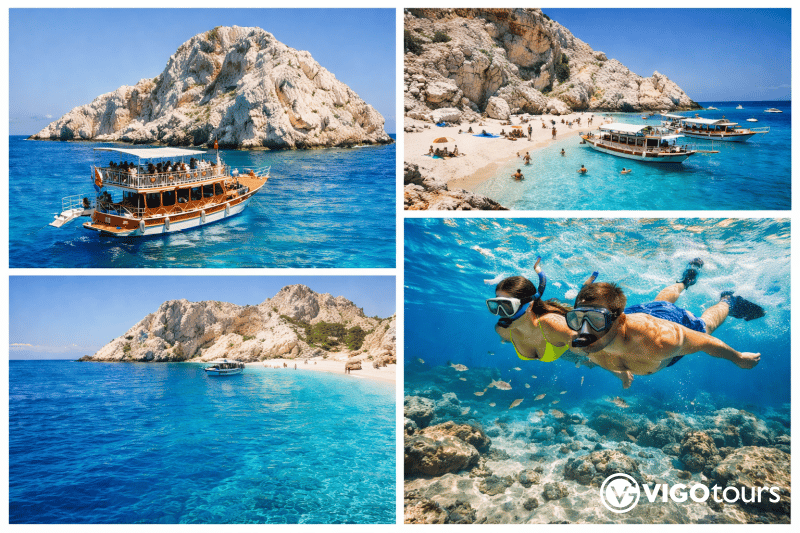
The Antalya coast and the Taurus Mountains are close enough to combine but can have very different weather. Split Kaleiçi, Perge, Aspendos and Side across sightseeing days. Kaş and Kekova make a separate coastal itinerary west of central Antalya.
In Side you can combine the ancient town and the shore on one day. For an inland visit to Ormana or Altınbeşik Cave, check road conditions, access and your return time. Lake Salda in Burdur is a separate stop away from the coast. Follow the access rules in the protected area.
Black Sea
Wooded slopes, rain and tea fields are especially characteristic of the eastern Black Sea coast. Trabzon is a base for visiting Sumela Monastery. Around Rize, you can travel through tea-growing areas and up towards the highland settlements.
A coastal forecast offers limited guidance for highland roads. Fog, rain and visibility can change at elevation. Keep a mountain day flexible and check your route before setting out.
Central Anatolia
High plateaus and a pronounced difference between seasons characterise much of the interior. Ankara has museums and sites connected with the history of the republic. Konya is associated with Mevlâna, while Cappadocia is known for valleys, rock-cut churches and underground settlements.
In Cappadocia, spend a day on a valley and a nearby site instead of crossing the whole area. Underground sites can have steps and narrow passages. Keep your morning flexible if a balloon flight is part of the plan.
Eastern Anatolia
High plateaus, mountains and long winters shape travel in the east. Plan Erzurum, Kars and Van as separate stops. From Kars, you can visit Ani. From Van, you can explore the lakeshore or take a boat to Akdamar Island. Check boat departures for your date and road conditions at higher elevations.
Mount Ağrı and Lake Van are two of the region’s main landmarks. At Dilucu, in the Aralık district of Iğdır, Türkiye shares a land border with Azerbaijan’s Nakhchivan exclave. If you are planning a border crossing, consult the Dilucu Customs Office for current requirements.
Southeastern Anatolia
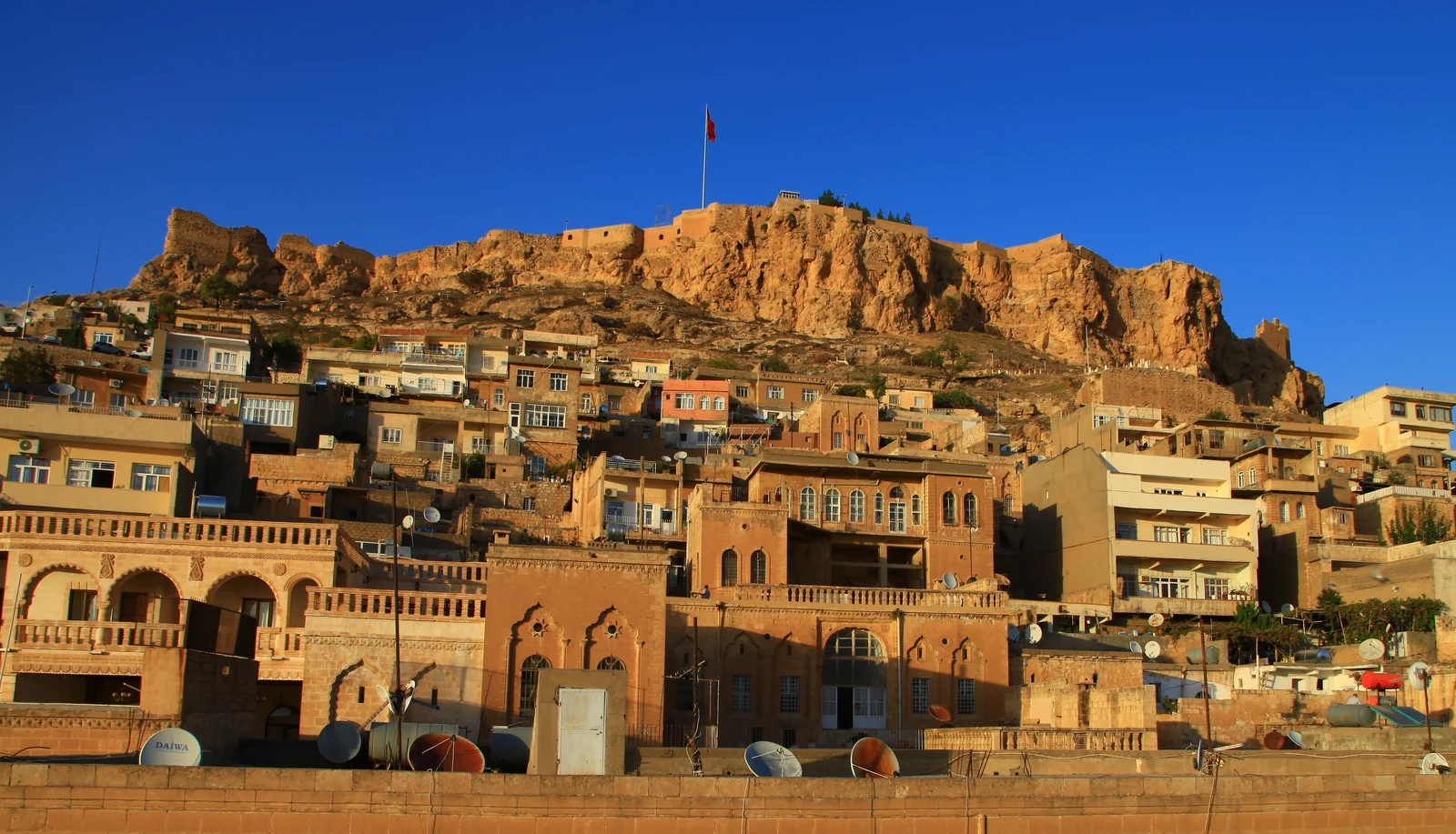
The Euphrates and Tigris basins help explain the settlement and history of the southeast. The Zeugma Mosaic Museum and local cuisine are good starting points in Gaziantep. Şanlıurfa is a base for Göbeklitepe, Mardin for its historic streets and Diyarbakır for its city walls.
During summer, schedule exposed archaeological sites for cooler hours. Allow for travel between Gaziantep, Şanlıurfa, Mardin and Diyarbakır, and choose one or two places to stay based on the sites you want to see.
Seas, mountains and lakes
Türkiye has shores on the Black Sea, the Sea of Marmara, the Aegean and the Mediterranean. Travelling inland brings changes in elevation and in the influence of the sea. The Taurus Mountains in the south and the North Anatolian Mountains in the north are major ranges between the coastal and inland areas. Lake Van is Türkiye’s largest lake. Lake Tuz is a prominent salt lake in Central Anatolia. Check conditions separately for coast, lake and mountain visits.
Putting together an itinerary
Istanbul, Cappadocia and the Antalya coast can fit into one trip if you treat them as separate legs and leave time for the transfers. For a short break, one main region and one nearby stop leave more time on the ground. Spring and autumn can suit city walks and archaeological visits. Check local conditions separately for swimming and highland trips.
For guided trips, compare the options in Istanbul tours, Bodrum tours, Side tours and Cappadocia tours.
Neighbouring countries and routes across the straits
Türkiye has land borders with Greece, Bulgaria, Georgia, Armenia, Azerbaijan, Iran, Iraq and Syria. The Bosphorus and Dardanelles make the transition between Europe and Asia visible in a travel plan. Crossing between Istanbul’s two sides and crossing the Dardanelles near Çanakkale are separate journeys with different transport options.
To get a sense of a region, pair one coastal stop with one inland destination. In the Aegean, consider a coastal stay with Selçuk or Denizli. Around Antalya, pair Side or Antalya with a trip into the Taurus Mountains. Distance alone is a poor measure of inland journey times. Elevation, road conditions and opening hours also matter.
Frequently asked questions
Which region is Cappadocia in?
Cappadocia is in Central Anatolia. Göreme and Ürgüp are common starting points for the valleys and rock-cut sites.
Are the regions the same as the provinces?
The geographical regions reflect human and physical characteristics. The provinces are administrative units.
Related guides and sources
Türkiye destinations, seasons and transport · Practical tips for travelling in Türkiye · Turkish Geographical Society’s regional classification · UNESCO World Heritage sites in Türkiye