Hagia Sophia: history in stone and light
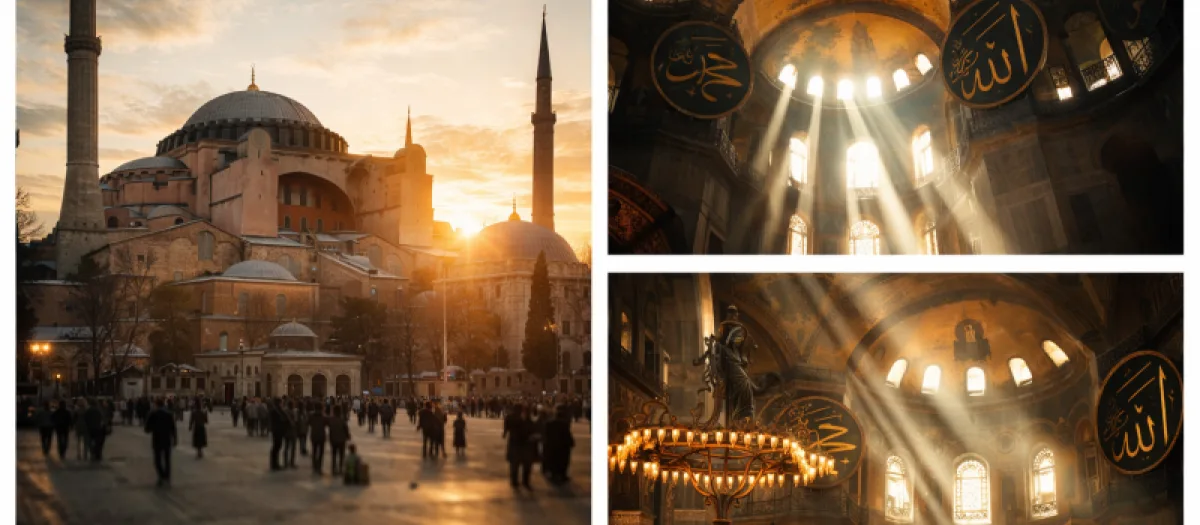
In Sultanahmet, Hagia Sophia brings together the scale of Byzantine architecture and the details of centuries of Ottoman use. Its great dome draws the eye first, but the marble patterns, mosaics and changing light reward a slower look. This is both a historic monument and an active mosque, so a visit calls for curiosity and consideration.
A building with more than one chapter
The present Hagia Sophia opened in 537 under Emperor Justinian. Designed by Anthemius of Tralles and Isidore of Miletus, it became a major church of the Byzantine capital and a setting for imperial ceremony.
After the Ottoman conquest of Constantinople in 1453, it became a mosque. Minarets, a mihrab and other additions changed the building over time. Mimar Sinan contributed to its structural strengthening. A decision in 1934 established its museum status, and the museum opened in 1935. Mosque use resumed in 2020.
These changes are part of the story, not reasons to reduce the building to a single period. Byzantine mosaics and Ottoman features invite visitors to notice how different generations used and cared for the same space.
Look up, then look closer
The dome is roughly 31 metres across and rises about 55.6 metres above the floor. Curved triangular surfaces, called pendentives, connect the dome to the supporting structure below. The ring of 40 windows at its base helps give the roof its floating appearance.
It is important not to mistake endurance for an unbroken history: parts of the dome collapsed and were rebuilt over the centuries. Repairs, reinforcements and continuing conservation are essential to the building we see today.
Look for the paired veins of the marble panels, the columns and the monumental Imperial Door. Hagia Sophia has 107 columns and a richly varied interior, but not every detail is equally visible from every visitor route. The mosaics also belong to different periods; they were not all made when the church first opened.
The acoustics and shifting light add to the experience without needing a promise of silence or a particular emotion. Pause where permitted, keep your voice low and leave room for others to pass.
Plan the right kind of visit
Tourist access and worship access are managed separately. The visitor-gallery system introduced in 2024 should not be confused with unrestricted access to the prayer floor. Check the current route, opening arrangements and ticket conditions before travelling, especially during religious observances or restoration work.
The Ministry of Culture and Tourism reports ongoing conservation at Hagia Sophia. Scaffolding or work areas may affect what you can see. Do not plan around old museum-era opening times or assume that a photograph shows today’s access.
Dress respectfully, follow the posted rules and staff instructions, and ask in advance about access needs. The separate Hagia Sophia History and Experience Museum is a different attraction: check which building a ticket covers before buying.
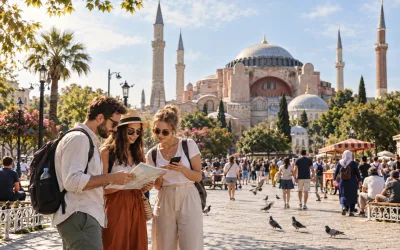
Leave time after your visit for Sultanahmet Square. Seeing Hagia Sophia from outside again helps place its dome and later additions within Istanbul’s wider skyline.