Turkey travel guide: destinations, seasons and transport
A beach holiday in Antalya, a walking trip in the Black Sea mountains and a winter break in Erzurum need different plans. Start with the places you most want to see, then allow time for travel between them. This guide brings together coastal resorts, cultural stops and practical ways to connect them.
The Mediterranean coast
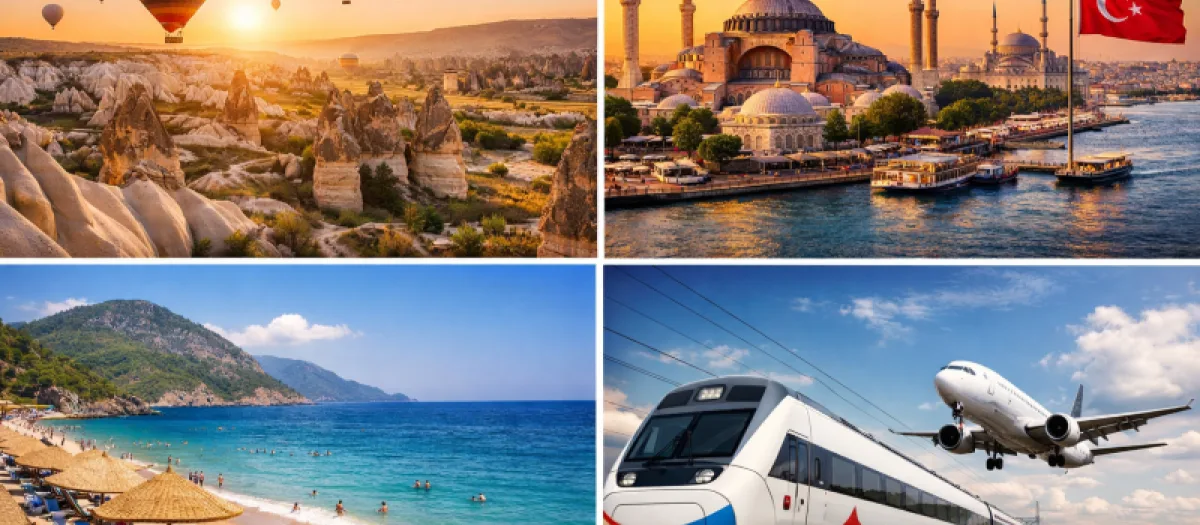
Antalya combines city sightseeing with the pebbly Konyaaltı shore and the sandy beaches around Lara. Kemer, west of the city, suits a mix of pine-fringed bays, mountain walks and nightlife; Phaselis and the Olympos area add archaeological stops. Belek is known for golf courses and resort hotels. Check course access and what a hotel package includes rather than assuming golf or spa treatments are covered.
Summer is hot and busy. Spring and autumn are often more comfortable for exploring ruins and walking, while winter can bring rain and reduced seasonal services. Beach conditions and entertainment programmes vary by location and date.
The Aegean coast and southwestern bays
- Bodrum: marinas, nightlife and historic sights, with accommodation ranging from small pensions to luxury resorts.
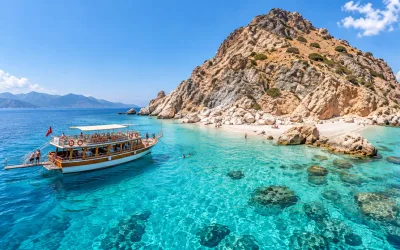
- Fethiye: Ölüdeniz Lagoon, Butterfly Valley and Saklıkent Canyon, with boat trips and walking routes. Tandem paragliding from Babadağ offers a different view of the coast; flights depend on weather and operator requirements.
- Marmaris: a lively marina and nightlife, an old town and quieter nearby coves. Choose your base according to whether you want evening entertainment or less noise.
- Çeşme and Alaçatı: Ilıca Beach, Çeşme Castle, stone houses, cafés and windsurfing. Conditions suitable for experienced riders are not necessarily suitable for beginners; arrange lessons at the appropriate level.
- Seferihisar and Sığacık: local markets, coastal villages and the ancient site of Teos. Seferihisar became Turkey’s first Cittaslow member in 2009; popular weekends can still be busy.
- Kuşadası: beaches, a cruise port and a convenient base for Ephesus. Water parks and boat trips add family options, subject to seasonal opening.
- Didim: Altınkum Beach and the Temple of Apollo. Compare actual accommodation dates and locations rather than assuming it is always the cheapest resort.
July and August usually bring the greatest summer crowds. May–June and September–October can work well for combining sightseeing with time by the sea, but weather and business opening dates are not guaranteed.
Istanbul, Marmara and the northern Aegean
Istanbul is a base for history, food and urban exploring. Bursa adds Ottoman heritage, thermal facilities and access to skiing, while Edirne is known for its Ottoman architecture. Near Istanbul, Şile has a lighthouse and Black Sea beaches; Ağva lies between the Göksu and Yeşilçay rivers. Journey times depend heavily on traffic. Follow local swimming warnings on the Black Sea.
Bozcaada, in the Aegean off Çanakkale, combines vineyards, small galleries, a castle and beaches. Check ferry availability before booking onward connections; wind can affect sailings. Wine tastings and visits to producers should be arranged directly.
The Black Sea: Trabzon, Rize and Artvin
Trabzon provides access to Sümela Monastery and Uzungöl. Continue into Rize for tea-growing landscapes, Ayder and Pokut highlands and Zilkale; Ayder is in Rize, not Trabzon. Artvin and the Kaçkar mountains offer further mountain scenery and walking routes.
Pack for rain and changing temperatures even in summer. Highland roads, visibility and trail conditions can change quickly. Mıhlama, trout and other local dishes add another reason to stop along the way.
Central and eastern Anatolia
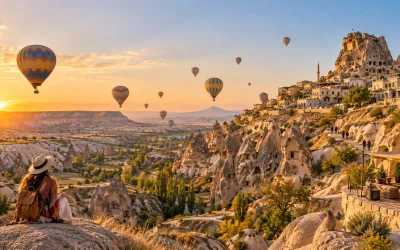
Cappadocia offers Göreme’s rock-cut churches, the underground cities of Derinkuyu and Kaymaklı, and the Love, Rose and Devrent valleys. Cave hotels and sunrise balloon flights are part of its appeal, but flights may be cancelled for weather or operational reasons. Allow room in the itinerary rather than making a flight your only plan.
Erciyes, near Kayseri, and Palandöken, near Erzurum, are major skiing destinations with runs of different levels. Opening dates depend on snow, weather and resort operations. Kayseri’s food and history or Erzurum’s monuments and cağ kebab can complement a ski trip.
Southeastern culture and food routes
Şanlıurfa combines bazaars and traditional music with Balıklıgöl, associated with Abraham in local religious tradition. Nearby Göbekli Tepe preserves monumental structures from the Pre-Pottery Neolithic period, and Harran is known for its conical-roofed houses.
Gaziantep, a UNESCO Creative City of Gastronomy, brings together baklava, kebabs, lahmacun and copperworking traditions. The Zeugma Mosaic Museum and the castle form part of its heritage; confirm current access before visiting. Mardin offers stone-built streets, the Deyrulzafaran Monastery, Zinciriye Madrasa and the Grand Mosque, alongside Syriac, Arab, Kurdish and Turkish cultural influences. Local foods include stuffed ribs and almond sweets.
Hatay and Adana
Hatay is a province whose historic centre, Antakya, is associated with ancient Antioch. Its heritage includes St Pierre Church, the Titus Tunnel and the Uzun Çarşı market, while its food traditions include künefe, hummus and mezze. Following the 2023 earthquakes, check the current condition and visitor access of each site rather than relying on older itineraries.
Adana combines its namesake kebab with Taşköprü, the Büyük Saat clock tower, Sabancı Central Mosque and walks by the Seyhan River. These southern cities can be very hot in summer; spring and autumn are often more comfortable for daytime exploration.
Getting around and everyday planning
Domestic flights help with long distances. Intercity coaches cover many routes; rail services are useful where the network fits your itinerary. Compare total door-to-door time, including airport transfers, rather than flight duration alone. A rental car can help with rural stops, but parking and city traffic need planning.
A dolmuş is a shared minibus or taxi serving a local route. Confirm the destination, fare, payment method and last departure; not every service waits until it is full. For mobile data, compare your home provider’s roaming offer with a local SIM, a compatible eSIM or portable Wi-Fi. Check coverage, identification requirements and current terms before buying.
Respectful greetings, asking before photographing people and following dress rules at religious sites make visits easier. Customs differ between households and places; hospitality is an invitation, not an obligation to buy or accept an offer.