Ancient Ephesus and the Temple of Artemis
Marble streets and the site of an ancient wonder
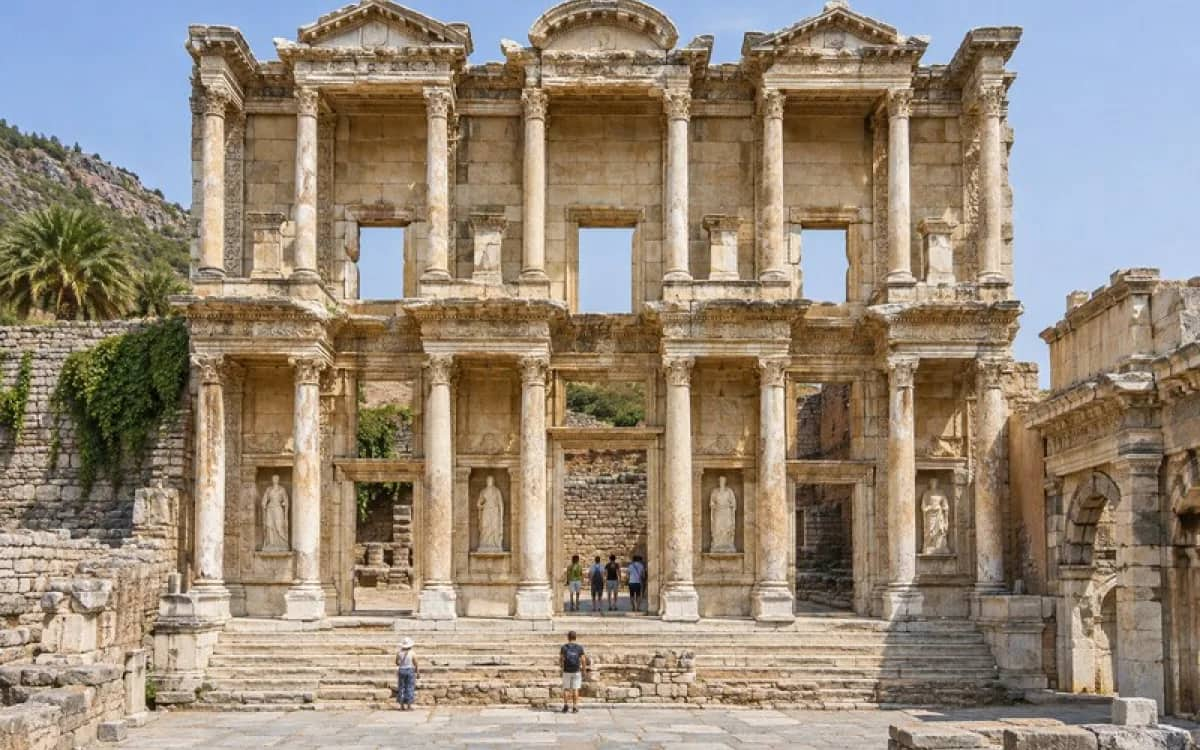
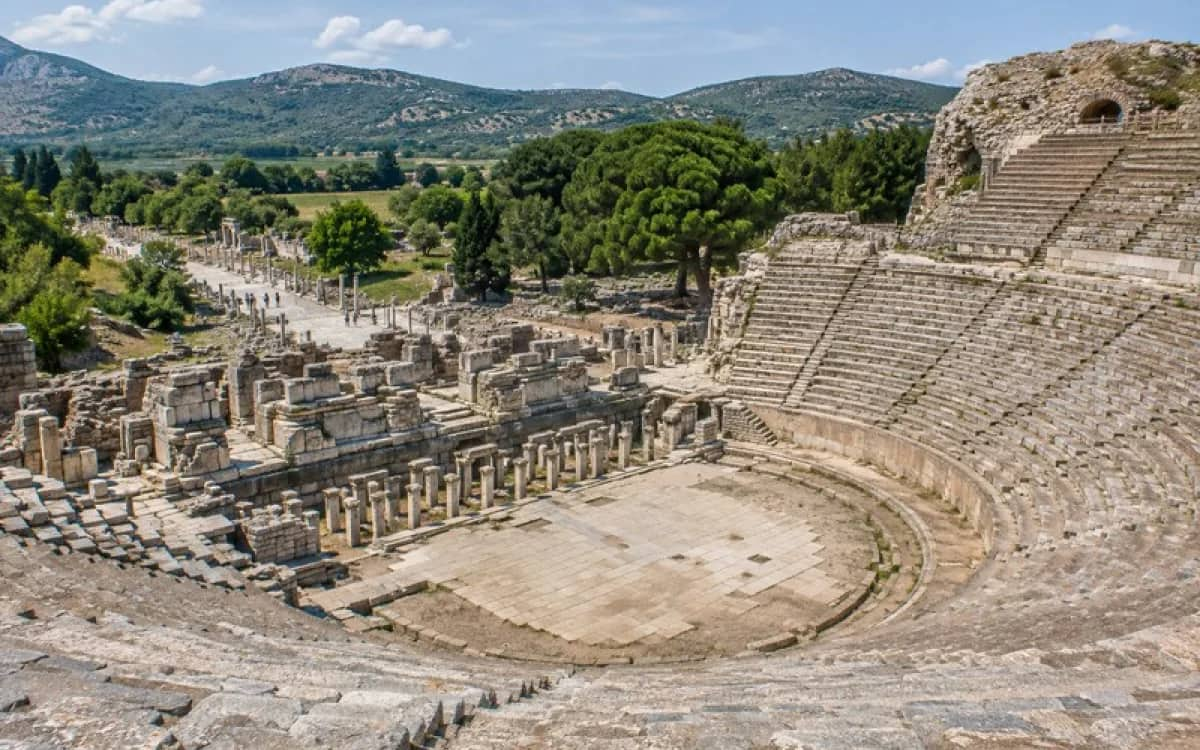
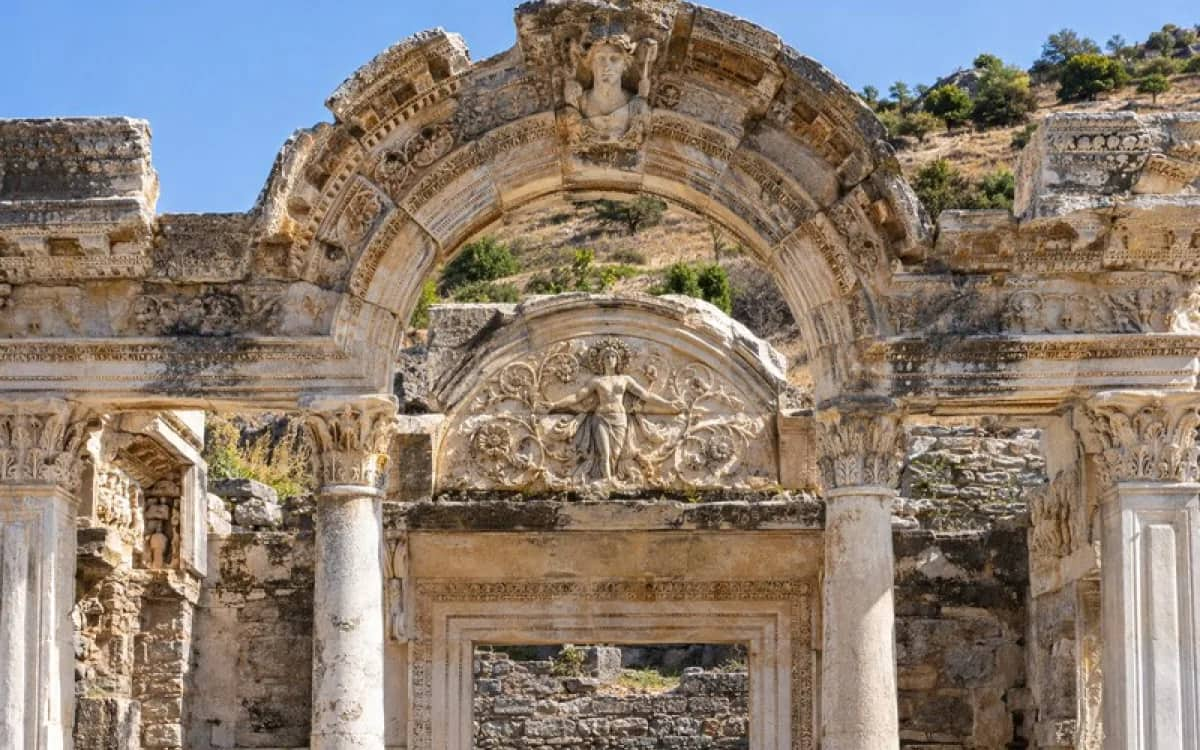
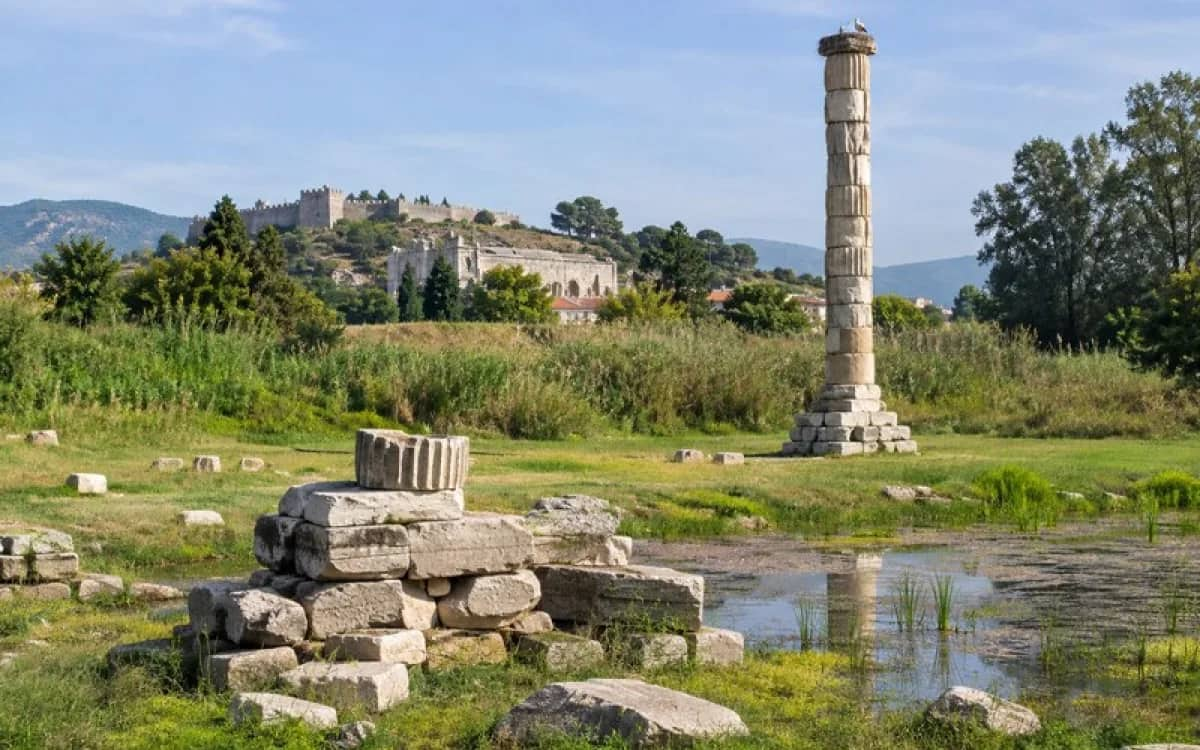
The façade of the Library of Celsus gives a close look at the city’s Roman public architecture. The Temple of Hadrian, Trajan’s Fountain and the Great Theatre show how different buildings served life in the same city. The Temple of Artemis is a separate stop beyond the main archaeological site. Its surviving fragments mark the footprint of a sanctuary that once extended far beyond the stones visible today.
Ephesus and its former harbour
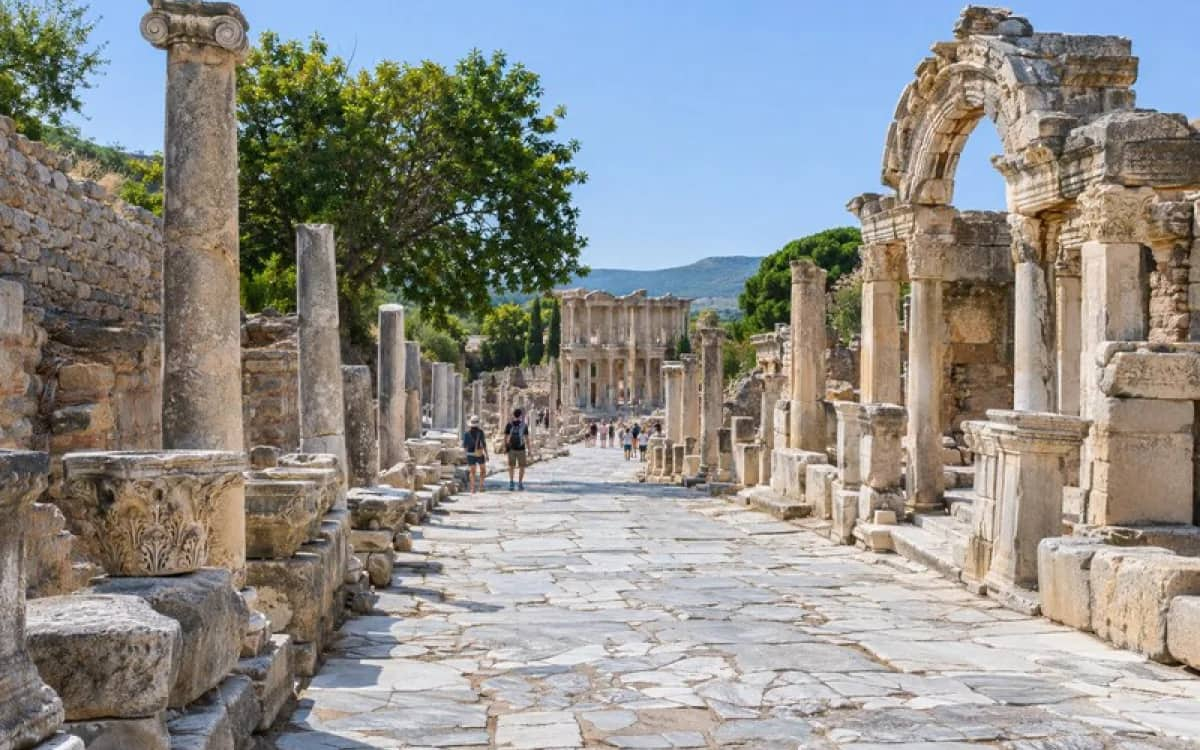
Ephesus is inland today, but the harbour was part of its commercial life in antiquity. The settlement shifted as the shoreline retreated west. Looking towards the avenue near the Great Theatre makes that connection easier to picture. At the Library of Celsus, look at the façade both from the open forecourt and from the side. The change of angle helps distinguish the column arrangement from the sculpture niches behind it.
Walking through the ancient sites
Ancient sites have steps, uneven paving and long exposed stretches. Take a moment to look at where streets widen, how the façades face the road and where one public space gives way to another. If you have a particular interest in architecture or photography, pick a few features to spend time on so you can see them at a comfortable pace.
What to look for along the way
Follow the line of fountains, public buildings and gathering spaces to see how a Roman city worked. Look closely at the carved stone of Hadrian’s Temple and the tiers of the Library of Celsus. The Great Theatre gives a sense of the scale of public life.
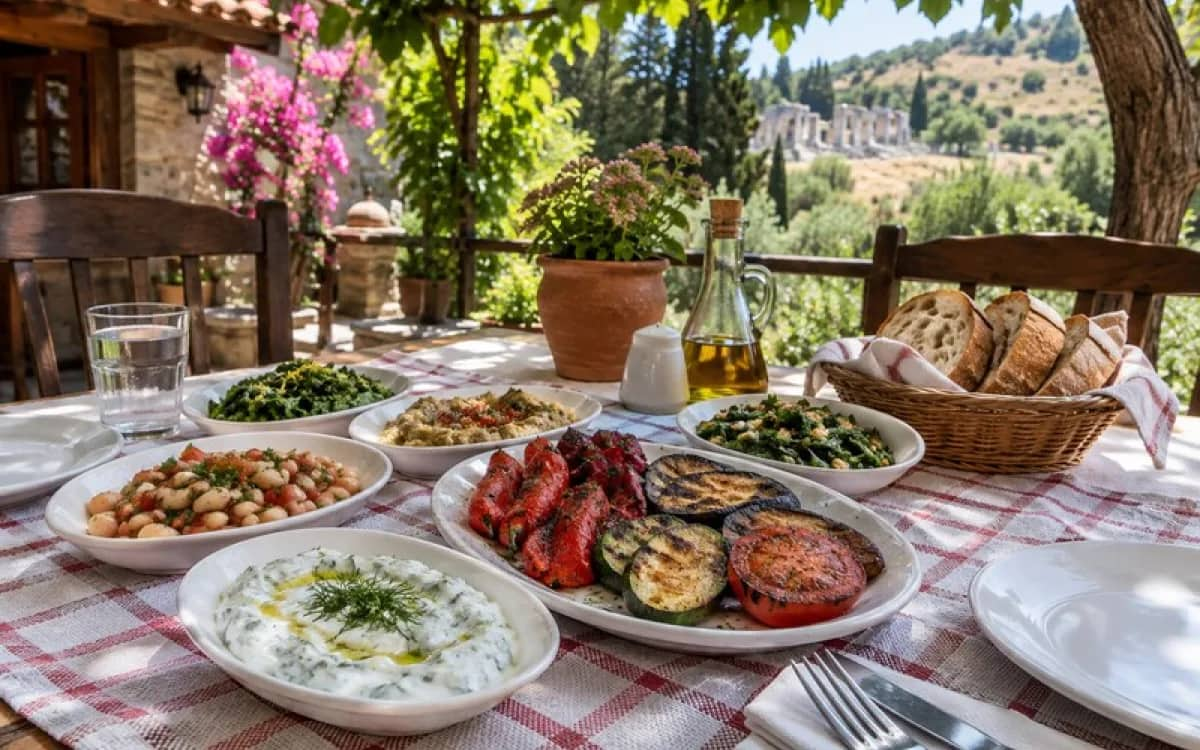
The sanctuary of Artemis is a separate stop in Selçuk. Its surviving remains make an interesting comparison with the elaborate façades of Ephesus. A restaurant lunch provides a seated break before the journey back.
For another itinerary in the region, see Evening Ephesus Tour from Didim with a Visit to Şirince.